In the pre-dawn darkness of July 26, 1953, a force of 102 law officers and National Guard soldiers descended upon the remote desert community of Short Creek, Arizona. Armed officers, social workers, and journalists had traveled through the night, their mission shrouded in secrecy. As the sun rose over the vermillion cliffs that morning, it illuminated one of the most controversial law enforcement actions in Arizona history—a raid that would tear apart families, challenge constitutional freedoms, and leave scars that persist in the community now known as Colorado City.
A Community on the Edge
Short Creek straddled the Arizona-Utah border, its very location a strategic choice by fundamentalist Mormon settlers who could slip across state lines to avoid prosecution. The Church of Jesus Christ of Latter-day Saints prohibited plural marriage in 1890 and 1904. Followers of Lorin C. Woolley who kept the practice settled at Short Creek in the 1920s and 1930s, and by 1953 the community had about 400 people.
The Isolated Community
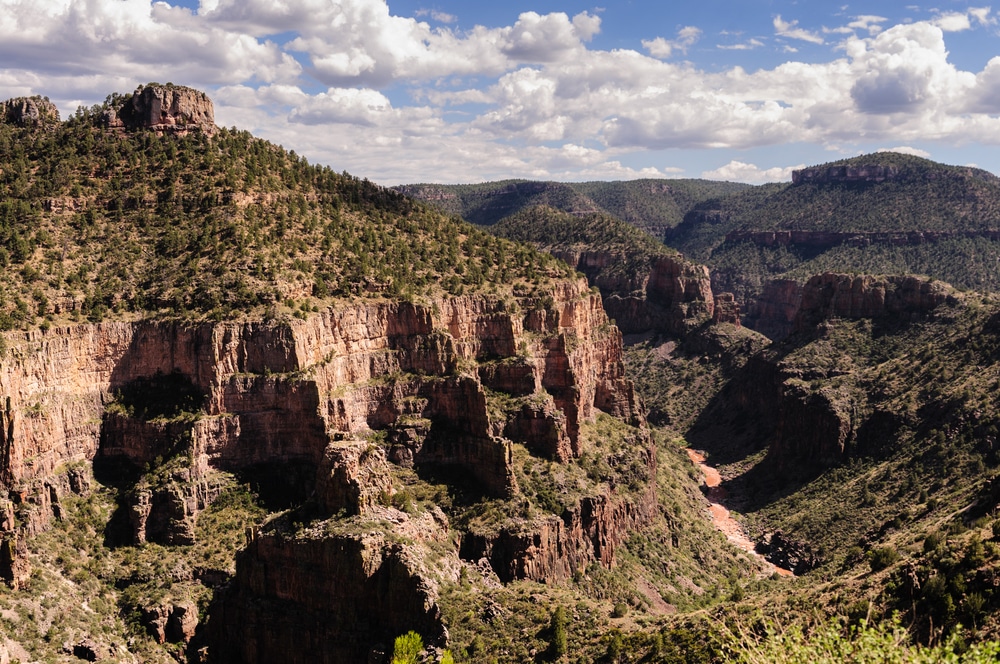
The residents, who called themselves fundamentalist Mormons or members of “The Work,” had built their town in one of the most isolated corners of Arizona. Situated at the foot of the Vermillion Cliffs, nearly 400 miles from Phoenix and accessible only by dirt roads that became impassable in rain, Short Creek seemed like another world entirely. The community operated its own schools, grew much of its own food, and maintained a lifestyle they believed honored the original teachings of Joseph Smith.
Political Pressure Mounts
By 1953, Arizona Governor Howard Pyle had decided that Short Creek represented a threat to the moral fabric of the state. Reports of underage marriages, welfare fraud, and what officials termed “white slavery” had captured public attention. The practice of “celestial marriage”—as polygamy was known in the community—violated both Arizona law and federal statutes. The raid itself was planned by the Arizona attorney general after a complaint from a judge in Kingman, the Mohave County seat.
Planning the Raid
Planning for the raid began months in advance. Arizona Attorney General Ross Jones coordinated with the Arizona National Guard, the Arizona Highway Patrol, and the Mohave County Sheriff’s Office. The state enlisted judges to sign warrants, arranged for juvenile court proceedings, and Governor Pyle invited reporters to cover the operation. Beforehand, the attorney general hired a detective agency whose investigators entered Short Creek posing as a Hollywood crew scouting movie locations. The legislature funded the operation without being told what the money was for.
The Raid Unfolds
At 4 a.m. on that July morning, roadblocks sealed off every route into Short Creek. The residents had been tipped off in advance by sympathetic law enforcement, and some escaped into Utah. Most of the community gathered at the small schoolhouse, and a United Press report described them waiting in the school yard, singing “America” beneath a waving flag, as the authorities arrived.
The Scene
Governor Pyle announced the raid in a radio address the day after it began. He called it “a momentous police action against insurrection” and described the community as “the foulest conspiracy you could possibly imagine,” saying it amounted to white slavery. The reality officers found was more complex—a community of deeply religious people living according to principles they held sacred, whatever the law might say.
Family Separations
The arrest warrants named 122 men and women. Some 36 men were arrested, and 86 women and 263 children were taken into welfare custody. Mothers were given the option to go along with their children.
Legal Battles and Public Backlash
Newspapers and magazines across the country covered the raid.
After the Arrests
The arrested men spent about two months in jail before they were released on bail.
Shifting Public Opinion
Public opinion turned against the raid. Coming soon after World War II, the strong police action alarmed many Americans, and some publications called it “un-American.”
Support for the Raid
Not everyone opposed the raid. The day after it, the Deseret News, owned by the Church of Jesus Christ of Latter-day Saints, ran an editorial thanking Governor Pyle and his officers and calling the settlement “a smudge on the reputations of our two great states.”
Political Consequences and Gradual Return
The Short Creek raid effectively ended Howard Pyle’s political career. In the 1954 election, he lost to Democrat Ernest McFarland. Pyle had been a rising figure in the Republican Party. Pyle himself later blamed the raid’s fallout for ending his political career.
Historical Assessment
Historian Martha Sonntag Bradley’s 1993 book, “Kidnapped from That Land: The Government Raids on the Short Creek Polygamists,” remains the standard account of the raid and its fallout.
Legal Resolution
The legal cases dragged on for two years. Twenty-six men received one-year suspended sentences and were ordered not to practice polygamy. In 1955 an Arizona court ordered the children released to their families, though some families remained separated for years.
Community Impact
The community itself was forever changed. Martha Sonntag Bradley, who interviewed more than 100 people in Colorado City about the raid, has said that in the end every man, woman and child returned to Short Creek. The trauma of the raid created a deep suspicion of government authority that persists in the community today. Short Creek—renamed Colorado City in 1960—became even more insular and distrustful of outsiders.
Modern Legacy and Ongoing Tensions
Today, Colorado City remains home to fundamentalist Mormon communities, though much has changed since 1953. The town made national headlines again in the 2000s during the prosecution of Warren Jeffs, leader of the Fundamentalist Church of Jesus Christ of Latter-Day Saints (FLDS), for child sexual abuse and forced marriages. These later prosecutions, focused on specific crimes rather than lifestyle, avoided the constitutional and public relations disasters of the 1953 raid.
Legal Influence
The raid’s impact extends beyond Colorado City. Legal scholars cite the Short Creek cases in discussions of religious freedom, parental rights, and the limits of government power. The raid influenced how law enforcement approaches religious communities, with most agencies now favoring targeted prosecutions of specific crimes over mass arrests.
Personal Trauma
For the descendants of those affected by the raid, the trauma remains real. The raid became the community’s rallying point, a story handed down as a test of faith, and “Remember Short Creek” became a motto among polygamists. A 2008 Deseret News report described monuments in Hildale and Colorado City recalling July 26, 1953.
Modern Voices
In recent years, some former FLDS members have begun sharing their stories more openly, adding nuance to historical understanding of life in Short Creek. Organizations like Holding Out HELP provide support to those leaving polygamous communities while also preserving their histories.
Continuing Influence
The raid continues to influence discussions about religious freedom and government authority in Arizona. When state officials consider intervention in religious communities—whether fundamentalist Mormon, Native American, or others—the specter of Short Creek serves as a cautionary tale about the dangers of broad, military-style operations against entire communities.
Visit the History
Historic Sites and Museums
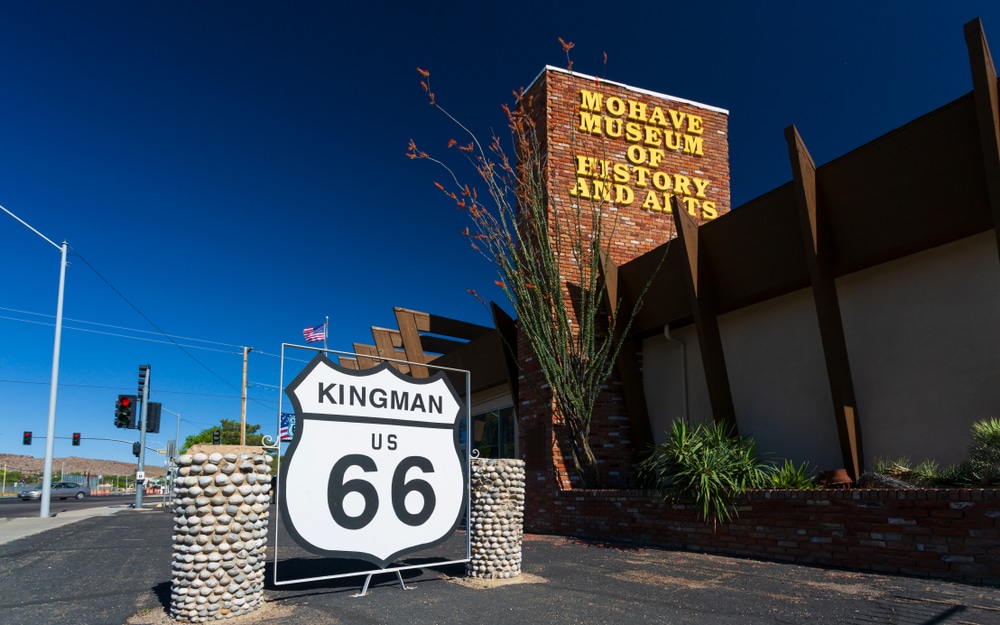
📍 Mohave Museum of History and Arts
- Address: 400 W Beale St, Kingman, AZ 86401
- 📞 Phone: (928) 753-3195
- 🌐 Website: mohavemuseum.org
- 🕒 Hours: Call ahead; hours are subject to change
📍 Pipe Spring National Monument (near Colorado City)
- Address: 406 N Pipe Spring Rd, Fredonia, AZ 86022
- 📞 Phone: (928) 643-7105
- 🌐 Website: nps.gov/pisp
- 🕒 Hours: See nps.gov/pisp for current hours
- ♿ Accessibility: Visitor center and some trails wheelchair accessible
Additional Resources
📚 Further Learning: For those interested in learning more about the Short Creek raid and its lasting impact, Martha Bradley-Evans’ “Kidnapped from That Land” (University of Utah Press, 1993) provides an academic treatment of the raid.