Nestled in the northernmost reaches of Arizona, Fredonia stands as a resilient gateway community that embodies the rugged spirit of the American West. Situated just a few miles south of the Utah border in Coconino County, this small town serves as the last Arizona outpost before travelers venture into the stunning landscapes of the Grand Canyon’s North Rim, Vermilion Cliffs, and Zion National Park. With a population of approximately 1,300 residents, Fredonia maintains its small-town character while welcoming visitors from around the world who pass through on their way to explore the surrounding natural wonders.
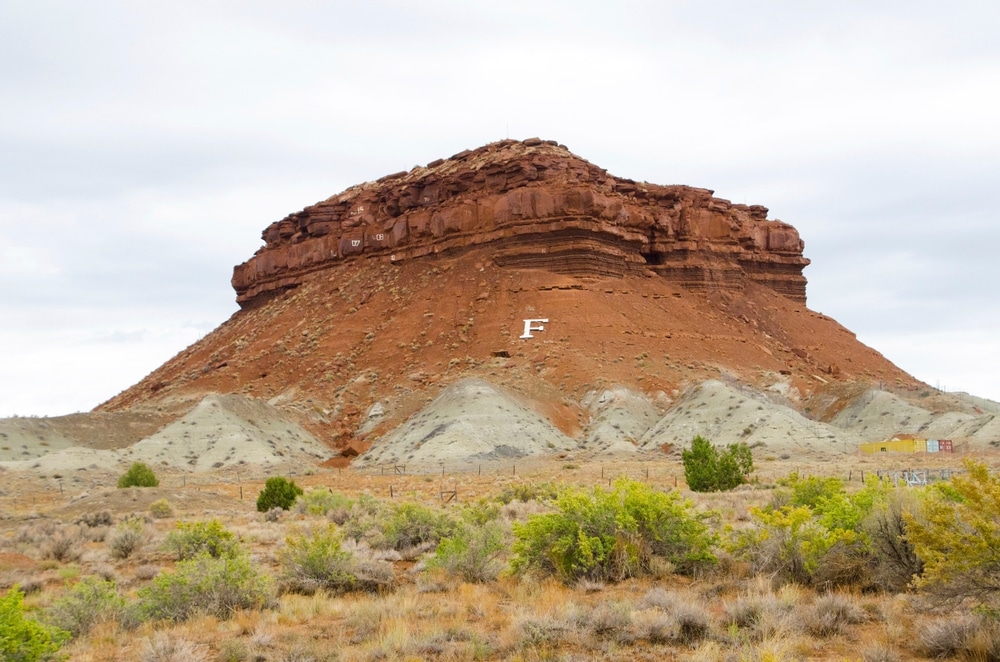
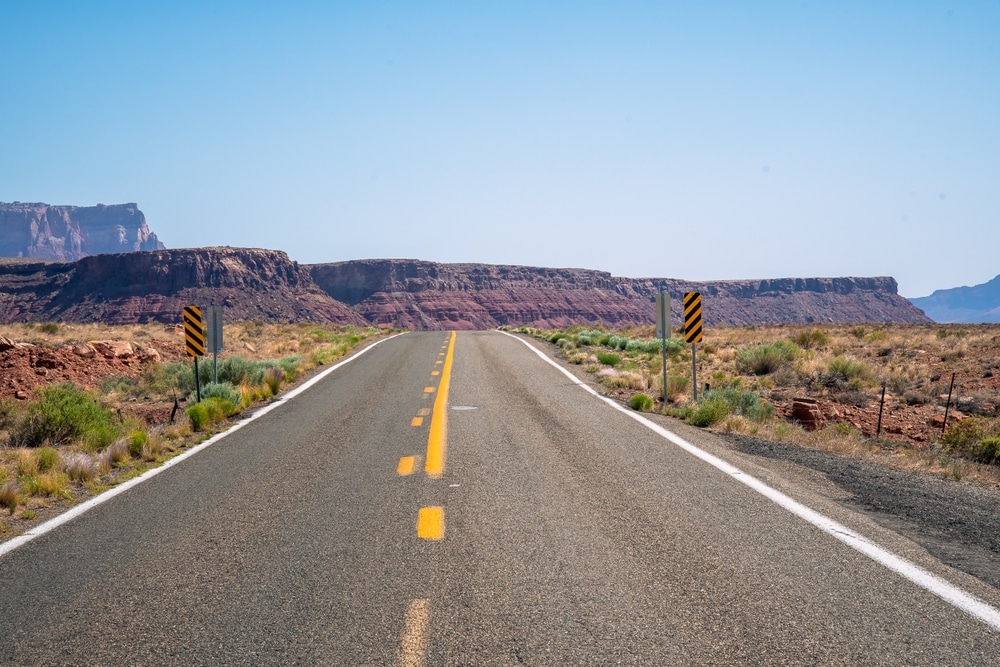
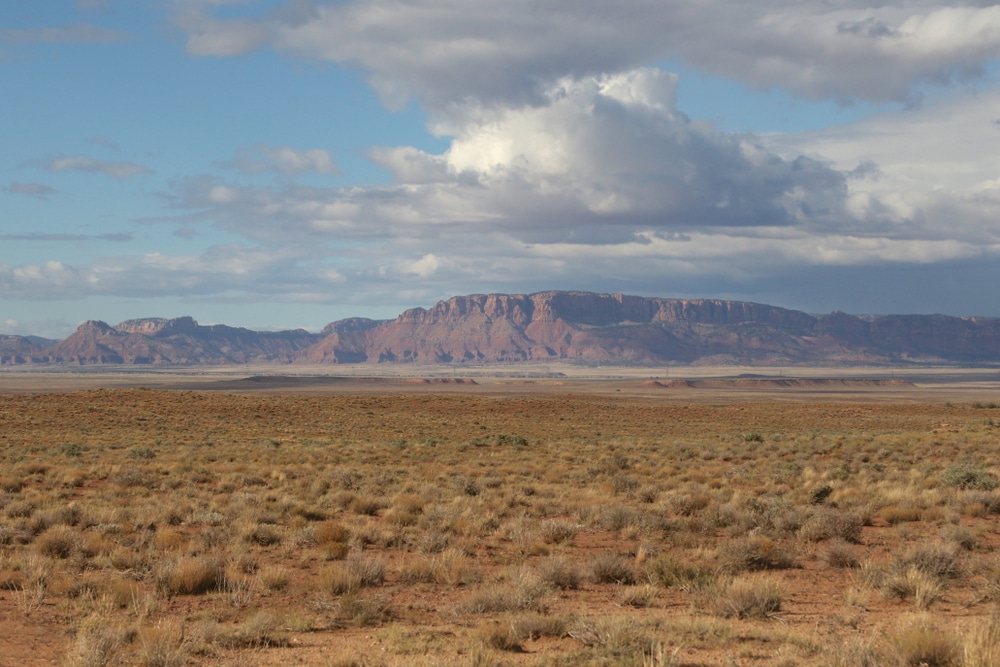
Fredonia’s physical setting is defined by dramatic red rock formations, expansive sage-dotted valleys, and the distant silhouettes of the Kaibab Plateau. At an elevation of 4,680 feet, the town experiences distinct seasons while maintaining the characteristic warmth of the Southwest.
What makes Fredonia truly unique is its position at a cultural crossroads where Mormon pioneer heritage, Native American traditions, and Western frontier history converge to create a community that values self-reliance, neighborly support, and a deep connection to the land that has sustained generations of residents.

Today, Fredonia preserves its history through community celebrations that commemorate pioneer heritage, and through intergenerational storytelling that keeps the community’s history alive for younger residents.
The lands surrounding Fredonia have been home to indigenous peoples for thousands of years. The Southern Paiute, particularly the Kaibab Band, consider this region part of their traditional territory, using the area’s resources seasonally and establishing important cultural connections to landmarks like Kaibab Mountain and the Vermilion Cliffs. Evidence of their presence can be found in petroglyphs, artifacts, and oral histories that continue to be preserved by tribal members today.
Fredonia’s modern settlement story began in 1885 when Mormon pioneers established the community as part of the broader colonization efforts directed by the Church of Jesus Christ of Latter-day Saints. The town’s name is said to mean “land of free women.” These early pioneers constructed irrigation systems, established farms, and built homes from locally sourced materials, demonstrating remarkable resilience in the face of harsh environmental conditions.
A significant turning point in Fredonia’s history came with the completion of the Navajo Bridge in 1929, which spanned the Colorado River at Marble Canyon and connected the isolated northern Arizona strip to the rest of the state. This infrastructure development brought new economic opportunities and ended the community’s extreme isolation, though it maintained its distinct cultural identity.
| Category | Details |
|---|---|
| Location | Northern Arizona, Coconino County, near the Utah border |
| Founded | 1885 by Mormon settlers |
| Incorporated | 1956 |
| Population | 1,323 (2020 Census) |
| Elevation | ~4,680 feet (1,426 meters) |
| Climate | Semi-arid; warm summers, cold winters, some snowfall |
| Known For | Gateway to Grand Canyon North Rim, proximity to Kaibab National Forest |
| Major Attractions | Kaibab National Forest, Grand Canyon North Rim (via AZ Hwy 67), Vermilion Cliffs, Pipe Spring National Monument |
| Key Industries | Tourism, ranching, forestry, public lands employment |
| Cultural Significance | Strong ties to early Mormon frontier history |
| Annual Events | Fredonia Old-Fashioned 4th of July Celebration |
| Transportation | Arizona State Route 389, U.S. Route 89A; 7 miles south of Kanab, Utah |
| Education | Fredonia-Moccasin Unified School District |
| Nearby Natural Sites | Grand Staircase–Escalante, Kaibab Plateau, Kanab Creek Wilderness |
| Community Features | Quiet, small-town atmosphere; support services for travelers and forest workers |
| Tourism Seasonality | Summer and fall are busiest, especially for visitors to the North Rim |
Fredonia’s cultural identity is built upon several distinct influences that have sometimes blended and sometimes remained separate throughout the town’s history. The predominant Mormon pioneer heritage continues to shape community values, emphasizing family, self-sufficiency, and community cooperation. This influence is visible in everything from local architecture to social organization, with the LDS church serving as both a spiritual center and community gathering place.
The proximity to Southern Paiute, Navajo, and Hopi tribal lands has allowed for cultural exchange and influence, particularly evident in artistic traditions, appreciation for natural resources, and certain community celebrations. While historically these cultures often operated in parallel rather than in true integration, recent decades have seen increased cross-cultural appreciation and participation in shared community events.
Western ranching culture represents another significant influence, with cattle operations and small-scale agriculture contributing to a distinctly rural ethos that values hard work, practical skills, and connection to the land. This ranching heritage is celebrated during rodeos and agricultural fairs that bring together residents from diverse backgrounds.
Cultural preservation in Fredonia takes many forms, including quilting circles that continue traditional pioneer crafts. The Fredonia-Moccasin Unified School District incorporates local history into its curriculum, ensuring younger generations understand their community’s roots while preparing them for contemporary challenges.
Language traditions in Fredonia reflect its cultural diversity, with distinct Mormon pioneer expressions and colloquialisms still present in everyday speech alongside occasional Paiute or Navajo words that have become part of local vocabulary when discussing the landscape or traditional activities. Over time, the community has evolved from a relatively isolated religious settlement to a more diverse small town that balances tradition with the influences of tourism, changing demographics, and technological connectivity.
Fredonia’s artistic expression is deeply influenced by its spectacular natural surroundings and cultural heritage. Local artistic traditions often reflect the dramatic landscapes of northern Arizona, with painters, photographers, and sculptors drawing inspiration from the region’s distinctive red rock formations, vast skies, and unique quality of light that transforms the landscape throughout the day.
Art education remains important to the community, with the local school offering robust visual arts programs that frequently incorporate local landscape studies and cultural heritage projects. Community workshops taught by local artisans provide opportunities for residents to learn traditional crafts like silversmithing, quilting, and pottery—skills that connect contemporary artists to the material practices of those who came before them.
The influence of the natural environment on Fredonia’s artistic identity cannot be overstated—the changing seasons, dramatic weather patterns, and ancient geological features provide endless inspiration for local creative expression. This art, in turn, helps strengthen community identity by visually articulating what makes Fredonia and its surroundings unique, creating a visual language that communicates the town’s character to both residents and visitors.
The values that define Fredonia reflect its pioneer heritage and rural character: self-reliance tempered by a willingness to help neighbors in need; respect for tradition alongside practical adaptation to changing circumstances; and deep appreciation for the natural environment that both challenges and sustains the community.
Architecturally, Fredonia displays a pragmatic approach to building in a demanding climate. Historic homes feature thick walls for insulation, generous porches for outdoor living in multiple seasons, and orientation to maximize shade in summer while capturing winter sunlight. More recent construction often blends these practical elements with contemporary features, though there remains a preference for building materials that harmonize with the surrounding landscape.
When residents describe Fredonia to outsiders, they often emphasize its unpolished authenticity in contrast to more touristic communities nearby. Locals take pride in being a working community rather than one primarily oriented toward visitors. They speak of knowing neighbors by name, children growing up with unusual freedom to explore, and the special joy of having dark night skies and clean air as everyday experiences rather than rare luxuries.
Fredonia operates under a council-manager form of government with a seven-member town council, including a mayor elected from within the council. This relatively small governmental structure emphasizes accessible leadership and direct citizen involvement, with council meetings that often feature lively discussion and broad community participation.
Historically, Fredonia’s economy centered on ranching, small-scale agriculture, and timber harvesting from the Kaibab Plateau. While these traditional activities continue to contribute to local identity and provide some employment, the contemporary economy has diversified considerably. Today, tourism-related services provide significant employment, with Fredonia serving as a gateway community and logistical hub for visitors exploring nearby natural attractions.
Small businesses form the backbone of Fredonia’s economy, with family-owned enterprises demonstrating remarkable longevity across generations.
Fredonia faces economic challenges common to rural communities, including limited employment opportunities for young adults, vulnerability to economic downturns that affect tourism, and the need to balance development with preservation of the community’s character. The seasonal nature of tourism creates fluctuating income for many residents, necessitating creative approaches to year-round economic stability.
Unique local products that contribute to Fredonia’s economic identity include hand-crafted furniture made from juniper wood, artisanal foods incorporating pinyon nuts and local honey, and distinctive pottery using local clay with glazes that echo the surrounding landscape’s colors. These products, sold both locally and increasingly through online platforms, connect Fredonia’s economic activity to its particular place and cultural heritage while reaching markets far beyond northern Arizona.
The Fredonia-Moccasin Unified School District serves as both an educational institution and a community anchor, with the K-12 school complex functioning as a gathering place for activities ranging from sports events to community forums. The district takes pride in maintaining small class sizes that enable personalized attention while offering programs that connect students to both local heritage and broader opportunities.
Fredonia’s relationship with its natural environment is defined by both practical utilization and deep appreciation for the landscape’s beauty and spiritual significance. Residents maintain traditions of seasonal activities that connect them to the land’s natural cycles, including pinyon nut gathering in the fall, wildflower appreciation outings in spring, and summer thunderstorm watching parties that celebrate the arrival of precious rainfall.
Traditional knowledge of local plants continues to be preserved and practiced, with community members harvesting and using native plants like Mormon tea (Ephedra) for medicinal purposes, yucca roots for natural soaps, and various desert plants for basket materials and dyes. This knowledge represents a blend of practices from pioneer, Native American, and Hispanic traditions that have converged in the region.
Environmental conservation efforts in Fredonia focus on preserving natural darkness through dark-sky lighting practices, protecting wildlife corridors that allow animals to move between habitats, and maintaining healthy watershed conditions through volunteer stream cleanup events.
Outdoor recreation with deep community roots includes traditional horseback trail rides that follow historic routes, guided hikes that incorporate storytelling about local history and ecology, and community “star parties” that combine astronomy with cultural stories about the night sky. These activities strengthen residents’ sense of place while providing sustainable recreational opportunities that have minimal environmental impact.
Fredonia’s culinary heritage reflects its location at the crossroads of several cultural traditions and the necessity of adapting to a challenging growing environment. Pioneer-influenced dishes like Mormon johnnycake (a cornmeal flatbread), Dutch oven peach cobbler, and bottle-fermented root beer remain staples at community gatherings and family celebrations, preserving food traditions that arrived with the original settlers.
The high desert environment produces distinctive local ingredients including prickly pear fruit, mesquite flour, and pinyon nuts that have been incorporated into both traditional and contemporary dishes. Wild game preparation remains an important culinary tradition, with methods for preparing venison, elk, and rabbit passed down through generations alongside recipes that make the most of these lean meats.
Fredonia’s gathering places, both formal and informal, create the physical framework for community interaction and shared experience.
Throughout its history, Fredonia has faced challenges that tested community resilience, from early struggles with irrigation and crop failures to modern issues of economic stability and changing demographics. More recently, the economic downturn of 2008 hit the community hard, particularly affecting construction and tourism-related businesses.
Current challenges include limited healthcare access, with residents often traveling significant distances for specialized medical care, and the double-edged sword of tourism development that brings economic opportunities while potentially changing community character. Water resources remain a perpetual concern in this arid region, with climate change intensifying long-standing water management challenges.
Fredonia approaches its future with a carefully balanced perspective that neither rejects progress nor abandons core values and traditions.
Specific efforts to maintain this balance include adaptive reuse of historic buildings rather than demolition, zoning that encourages compatible new construction, and careful consideration of how new businesses and services can complement rather than replace existing community assets.
Community discussions about Fredonia’s future often reference the quality of life that draws people to the area: dark night skies, uncrowded spaces, strong community bonds, and connection to the natural environment. Resident hopes for the future consistently emphasize maintaining these qualities while addressing practical needs for healthcare, education, and economic opportunity.
When asked what makes Fredonia special, residents offer responses that move beyond physical attributes to the intangible qualities that create deep attachment to this small community.
Young people speak of the freedom and responsibility that come with growing up in Fredonia, where children still have room to explore and teenagers are expected to contribute meaningfully to community projects. Elders value the respect for experience and traditional knowledge that persists despite cultural changes.
What emerges from these reflections is a portrait of a community that values authentic connection—to people, to history, to the land itself. Fredonia’s soul exists in the practice of showing up for neighbors in need, in the transfer of traditional skills across generations, and in collective celebrations that mark the passing of seasons in this spectacular landscape. As both a physical place and a community of people, Fredonia continues to demonstrate that meaningful connection and mutual support remain possible—and essential—in an increasingly disconnected world.
We use cookies to improve your experience on our site. By using our site, you consent to cookies.
Manage your cookie preferences below:
Essential cookies enable basic functions and are necessary for the proper function of the website.
Statistics cookies collect information anonymously. This information helps us understand how visitors use our website.
Monetize your website by displaying targeted ads and earning revenue from clicks and impressions.
Google Analytics is a powerful tool that tracks and analyzes website traffic for informed marketing decisions.
Service URL: policies.google.com (opens in a new window)
You can find more information about our Cookie Policy and Privacy Policy.