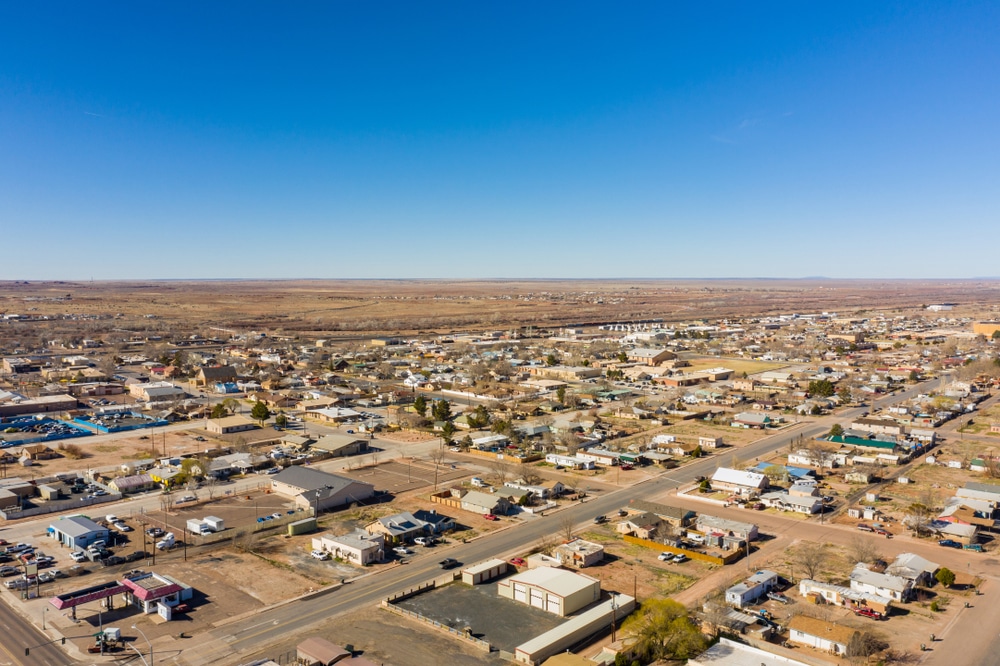
At the edge of the Painted Desert in northeastern Arizona, Holbrook stands as a living testament to the American Southwest’s evolving story. This resilient community of approximately 5,000 residents serves as the county seat of Navajo County and occupies a strategic position along historic Route 66 and modern Interstate 40. Situated at an elevation of 5,082 feet, Holbrook experiences the dramatic seasonal shifts characteristic of high desert plateaus, with snow-dusted winters giving way to sun-drenched summers beneath vast azure skies.
The town’s demographics reflect its position at a cultural crossroads, with a population that blends Native American, Hispanic, and Anglo residents in a distinctive Southwestern tapestry. The proximity to the Navajo and Hopi Nations contributes to a significant indigenous presence, creating a community where multiple cultural traditions coexist and intermingle.
What makes Holbrook truly unique is its embodiment of authentic Western heritage combined with geological wonders—a place where petrified forests meet trading post history, where dinosaur statues stand sentinel over streets once walked by cowboys and railroad workers, and where the romance of Route 66 continues to draw travelers seeking the quintessential American road trip experience.
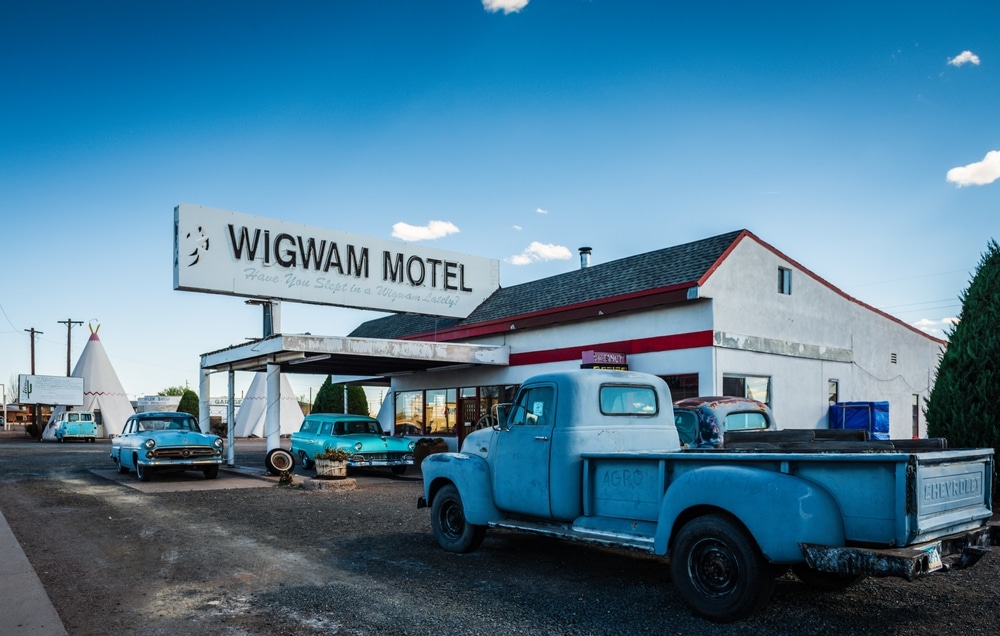
The discovery of petrified wood in the surrounding area led to the establishment of Petrified Forest National Park in 1962, adding natural heritage to the town’s historical significance. Today, Holbrook preserves its multilayered history through institutions like the Navajo County Historical Museum housed in the historic courthouse, annual celebrations commemorating significant events, and the continued operation of historic businesses like the Wigwam Motel, where guests can still “sleep in a wigwam” just as travelers did during Route 66’s heyday.
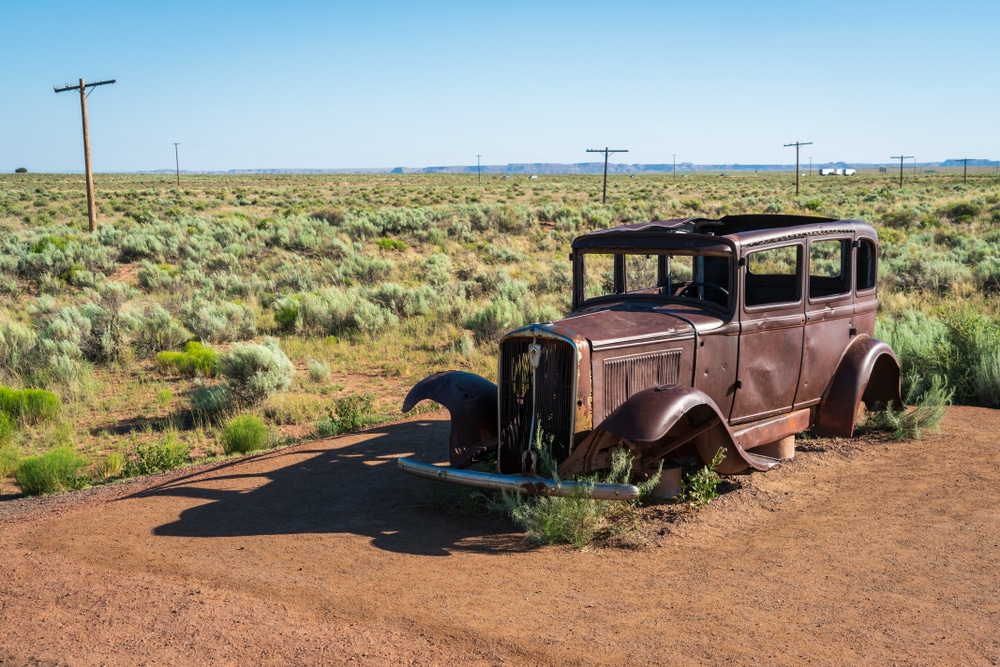
The land that cradles Holbrook has been home to indigenous peoples for millennia, with archaeological evidence suggesting human habitation dating back at least 8,000 years. The Ancestral Puebloan people (formerly called Anasazi) left their mark through pottery fragments and petroglyphs that still emerge after desert rainstorms. Later, the region became important territory for the Navajo and Hopi, whose communities continue to maintain strong connections to this landscape through both spiritual practices and everyday commerce.
Holbrook’s modern establishment dates to 1881, when the Atlantic and Pacific Railroad laid tracks through the area, creating a critical transportation junction in Arizona Territory. The town was named after H.R. Holbrook, the first chief engineer of the Atlantic and Pacific Railroad. The early settlement quickly gained a reputation as a rough-and-tumble frontier outpost. The infamous Pleasant Valley War between cattle ranchers and sheep herders spilled into Holbrook’s streets, culminating in the 1887 Holbrook Shootout, still remembered as one of Arizona’s most violent frontier conflicts.
Trading posts established by figures like Lorenzo Hubbell and the Babbitt brothers became cultural and commercial hubs where Navajo, Hopi, and Anglo residents exchanged goods and influences. These enterprises laid the foundation for Holbrook’s enduring role as a center of cultural exchange.
The town’s fortunes transformed again with the establishment of Route 66 in 1926, bringing a steady stream of travelers that stimulated new businesses and cemented Holbrook’s place in American road culture.
| Category | Details |
|---|---|
| Location | Northeastern Arizona, Navajo County, along Interstate 40 and Historic Route 66 |
| Founded | 1881 as a railroad town for the Atlantic and Pacific Railroad |
| Incorporated | 1917 |
| Population | Approx. 4,800 (as of the 2020 Census) |
| Elevation | ~5,082 feet (1,549 meters) |
| Climate | Semi-arid; hot summers, cool to cold winters |
| Known For | Route 66 nostalgia, Petrified Forest National Park, Wild West history |
| Major Attractions | Wigwam Motel, Petrified Forest National Park, Historic Courthouse, Navajo County Historical Society Museum |
| Key Industries | Tourism, government services, transportation |
| Cultural Significance | Strong Native American influence, Wild West lawlessness (former “gun town”) |
| Annual Events | Old West Days, Route 66 Festival, Hashknife Pony Express Ride |
| Transportation | Interstate 40, U.S. Route 180, BNSF Railway |
| Education | Holbrook Unified School District, Northland Pioneer College |
| Nearby Natural Sites | Petrified Forest, Painted Desert, Little Colorado River |
| Architecture Highlights | Route 66-era motels and neon signs, historic jail and courthouse |
| Pop Culture Note | Wigwam Motel is one of the inspirations for the Cozy Cone Motel in Pixar’s Cars |
| Recreational Activities | Rockhounding, Route 66 sightseeing, photography, desert exploration |
Holbrook’s cultural identity emerges from the confluence of multiple traditions that have sometimes blended and sometimes maintained distinct boundaries throughout the town’s history. Native American influences remain strong, with the Navajo and Hopi cultures contributing artistic traditions, language elements, and ceremonial practices that enrich community life. Trading post culture—a distinctive Southwestern phenomenon where indigenous artisans, Anglo merchants, and Hispanic workers created unique cultural exchanges—continues to influence Holbrook’s character as a place where diverse traditions find common ground.
The Anglo ranching and railroad heritage brought its own cultural contributions, from cowboy traditions and work songs to practical adaptations for desert living. Hispanic influences added another vital layer, particularly visible in local cuisine, religious celebrations, and architectural details. This cultural plurality is preserved through institutions like the Navajo County Historical Society museum in the old courthouse, and through living cultural bridges like the Hashknife Pony Express Ride, which continues to connect communities across the region.
Language in Holbrook reflects this cultural multiplicity, with English, Spanish, Navajo, and Hopi all heard on its streets. Local expressions blend these linguistic traditions, creating a distinctive regional vocabulary that incorporates terms from multiple cultural sources—especially when discussing landscape features, weather patterns, and traditional activities. Elders in the community serve as language keepers, particularly for indigenous terms that describe local plants, animals, and geographical features with a precision that English often lacks.
Over time, Holbrook has experienced significant cultural shifts, particularly as transportation patterns changed from railroad-centered commerce to highway tourism and eventually to interstate travel. Each transition has brought new influences while requiring adaptations to maintain cultural continuity. Contemporary Holbrook embraces technological connectivity while working to preserve the distinctive cultural practices that give the community its character, demonstrating that tradition and evolution can coexist in a healthy cultural ecosystem.
Holbrook’s artistic expression is deeply rooted in its extraordinary geological setting and multicultural heritage. The striking landscapes of the Painted Desert, with their banded layers of red, orange, pink, and lavender sediments, have inspired generations of visual artists drawn to the region’s distinctive light and color palette. This natural canvas has influenced local artistic traditions that emphasize earth tones, horizon lines, and the interplay of light and shadow across vast open spaces.
Community workshops at the Holbrook Public Library offer residents opportunities to learn traditional craft techniques, from Navajo weaving to Western leather tooling.
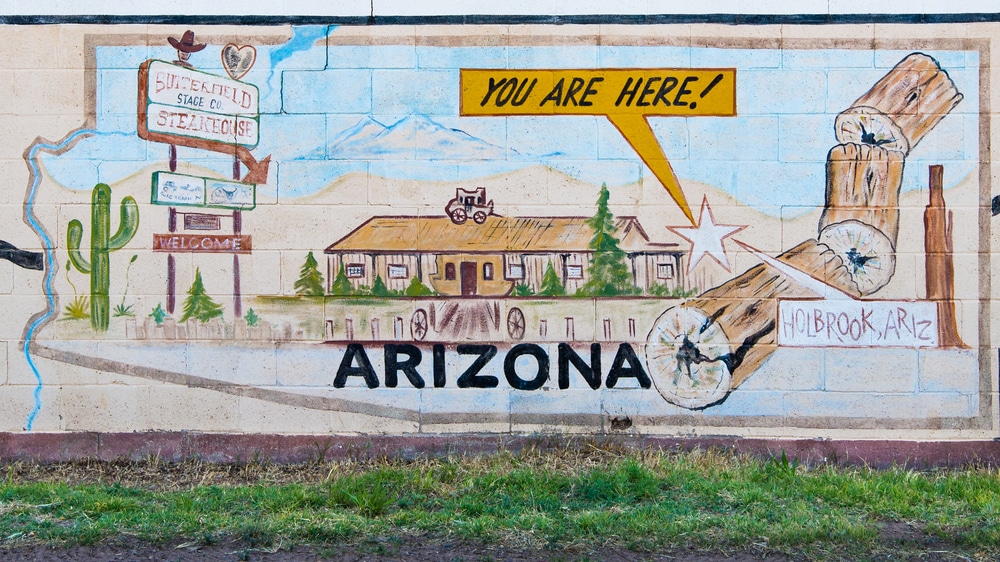
The influence of the surrounding landscape on Holbrook’s artistic expression extends beyond visual representation to inspiration for sculptural works incorporating natural materials, poetry celebrating desert seasons, and musical compositions that echo the rhythms of train whistles and wind through juniper. Public art installations, including murals depicting historical scenes and sculptures incorporating petrified wood, strengthen community identity by making art accessible beyond conventional gallery spaces.
Holbrook’s community calendar centers around events that honor its diverse heritage, mark the changing seasons, and bring together residents from different cultural backgrounds. These gatherings serve as touchstones that strengthen community bonds, preserve cultural traditions, and increasingly, attract visitors who contribute to the local economy. From longstanding celebrations with deep historical roots to newer events that address contemporary interests, these gatherings reflect the community’s evolving identity while maintaining connections to its multicultural past.
Held each September, this celebration showcases the region’s agricultural and ranching heritage through livestock competitions, rodeo events, and traditional skills demonstrations. The fair features competitive exhibitions of traditional crafts, from quilting to leatherwork, alongside agricultural displays that highlight the remarkable achievement of desert farming. Community participation spans generations, with families entering competitions their grandparents once joined.
This February tradition commemorates Holbrook’s postal history with a 200-mile horseback mail delivery from Holbrook to Scottsdale. Riders in historical attire carry special-issue postal letters in leather pouches. The departure ceremony in Holbrook features traditional blessings from tribal elders, school children witnessing living history, and community meals that bring together diverse residents. What began as a historical reenactment has evolved into a beloved regional tradition that connects Holbrook to other Arizona communities while honoring the communication systems that helped unite the American West.
This festival celebrates Holbrook’s place along the “Mother Road” with classic car shows, 1950s-themed dances, and historical tours of preserved roadside attractions. Visitors can experience authentic mid-century accommodations at the historic Wigwam Motel and enjoy special menus featuring road trip classics at local diners. This event has become increasingly important to Holbrook’s identity and economy as interest in Route 66 nostalgia has grown nationally and internationally.
Holbrook embraces its identity as the “Gateway to the Petrified Forest,” a nickname that acknowledges both its proximity to the national park and metaphorically suggests a community where ancient history meets the present.
The values that define Holbrook reflect its frontier history and multicultural present: resilience in the face of environmental challenges; respect for diverse cultural traditions; practicality balanced with appreciation for natural beauty; and pride in self-sufficiency coupled with strong community interdependence. These values manifest in everyday interactions, from water conservation practices to the continuation of traditional mutual aid systems during times of hardship.
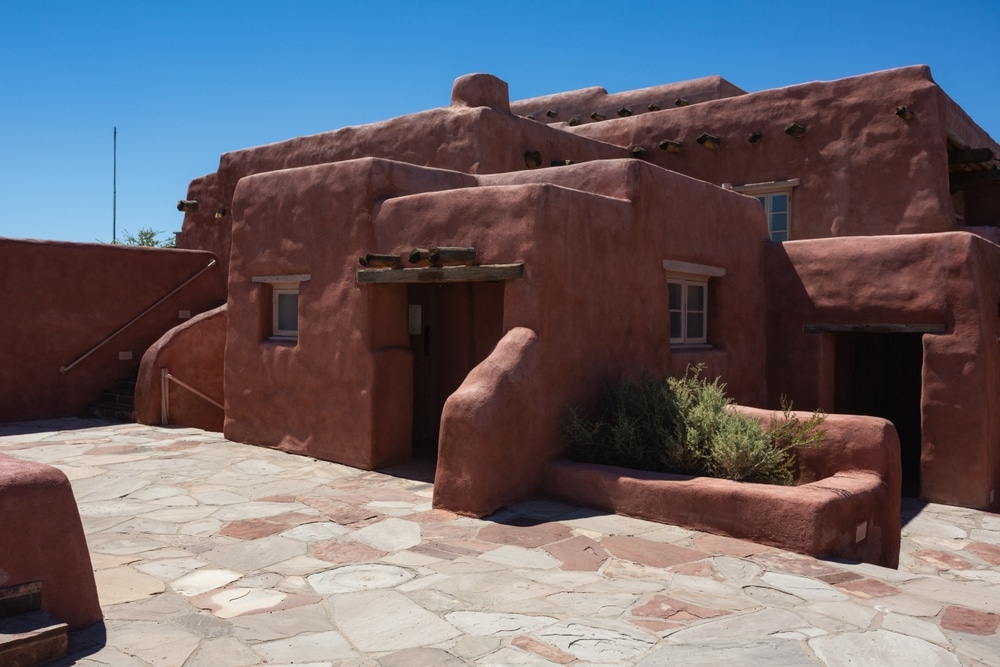
Architecturally, Holbrook displays several distinctive styles that chronicle its historical development. Adobe structures with territorial adaptations reflect early Hispanic and Native American building traditions, while railroad-era commercial buildings showcase brick facades with decorative elements typical of late 19th-century Western towns. Route 66-era roadside architecture—including the iconic concrete teepees of the Wigwam Motel—represents a uniquely American commercial vernacular that continues to define portions of the town’s visual identity.
When describing their community to outsiders, Holbrook residents often emphasize its authenticity as a real Western town rather than a tourist version. They speak of the unique quality of belonging to a place where checkout clerks remember your name, where children still play outdoors in relative safety, and where multiple generations gather for community events. Residents take particular pride in Holbrook’s role as a cultural meeting place, noting that the town’s identity is not tied to a single heritage but rather to the ongoing dialogue between different cultural traditions that continues to shape community life.
Holbrook operates under a council-manager form of government, with a mayor and six council members elected at large to establish policy. This governmental structure is complemented by a series of advisory boards and commissions that expand opportunities for resident participation, including the Historic Preservation Commission, and Parks and Recreation Board.
Beyond formal government structures, Holbrook benefits from active civic organizations that address community needs and advocate for local interests. The Holbrook Chamber of Commerce promotes economic development while preserving the town’s historic character. The Navajo County Historical Society maintains archives and advocates for historic preservation.
Civic participation in Holbrook reflects the community’s multicultural composition, with efforts to ensure representation from diverse residents.
Holbrook’s economy has continuously evolved from its origins as a railroad town through its Route 66 heyday to its current position as a service center and tourism destination. Historically, the railroad, cattle ranching, and trading posts formed the foundation of local commerce. The mid-20th century brought prosperity through highway tourism, with motels, diners, and service stations employing significant numbers of residents. While these sectors remain relevant, contemporary Holbrook has diversified its economic base to include government services (as a county seat), education, healthcare, and increasingly, heritage tourism centered on its geological wonders and Route 66 nostalgia.
The small business ecosystem remains vibrant, with family-owned enterprises demonstrating remarkable resilience. Joe & Aggie’s Café has served travelers and locals since 1943, adapting its business model through multiple economic transitions. Rainbow Rock Shop combines retail sales of geological specimens with educational programs for visitors.
Economic challenges include the seasonal nature of tourism, limited professional opportunities for young adults with higher education, and the need to balance economic development with preservation of the community character that attracts visitors. The town’s distance from major metropolitan areas presents both challenges in terms of market access and opportunities for developing unique offerings that can’t be found in urban settings.
Distinctive local products that contribute to Holbrook’s economic identity include artisanal jewelry incorporating petrified wood and other local stones, regionally produced food items like prickly pear jellies and piñon coffee, and authentic indigenous crafts from neighboring tribal communities.
The Holbrook Unified School District serves as both an educational institution and a community unifier, bringing together students from diverse backgrounds and creating shared experiences that transcend cultural differences. The district takes pride in educational programs that connect students to both local heritage and global opportunities.
Northland Pioneer College maintains a Holbrook campus that provides higher education opportunities without requiring residents to leave the community.
Holbrook’s relationship with its natural surroundings is characterized by both respect for a challenging environment and celebration of its unique beauty.
Traditional knowledge of the region’s plant resources continues to inform contemporary practices, with community members harvesting yucca for soap-making, juniper berries for medicinal uses, and piñon nuts for culinary purposes. These practices represent the blending of knowledge from Native American, Hispanic, and Anglo pioneer traditions that have converged in the region.
Holbrook’s food traditions reflect its position at the crossroads of Native American, Hispanic, and Anglo pioneer influences, creating a distinctive regional cuisine adapted to desert conditions. Traditional dishes with historical significance include piki bread, a paper-thin blue corn preparation of Hopi origin; Navajo tacos served on fluffy fry bread; and hearty beef and green chile stews that sustained railroad workers and ranch hands through harsh winters.
The high desert environment produces unique local ingredients including prickly pear fruit, mesquite flour, and wild herbs that have been incorporated into both traditional and contemporary cooking. Local chefs have begun incorporating these traditional ingredients into modern cuisine, creating distinctive dishes that connect contemporary dining experiences to historical foodways.
Holbrook’s physical spaces for community interaction reflect both historical patterns and contemporary needs, creating environments where meaningful connections occur across cultural and generational lines. The historic courthouse plaza remains the town’s ceremonial center, hosting everything from holiday celebrations to farmers’ markets in a space that has served as the community’s living room for over a century.
Throughout its history, Holbrook has faced challenges that tested community resilience, from early conflicts over land use to contemporary issues of economic sustainability and climate change. The decline of railroad employment in the mid-20th century forced economic reinvention, with residents developing new businesses around highway tourism. More recently, the 2008 economic downturn impacted tourism-dependent businesses, requiring adaptations that strengthened local markets over reliance on outside visitors.
Current challenges include limited healthcare access, with residents sometimes traveling to Flagstaff or Phoenix for specialized medical services; balancing economic development with preservation of community character; and addressing climate change impacts on water resources and traditional agricultural practices. The community faces ongoing questions about how to provide meaningful opportunities for young adults while maintaining the cultural continuity that defines Holbrook’s identity.
Holbrook approaches its future with a carefully balanced perspective that embraces positive change while protecting the community’s distinctive character and cultural heritage.
Specific efforts to maintain cultural authenticity while addressing contemporary needs include the adaptive reuse of historic buildings for new businesses, zoning regulations that encourage compatible architecture, and economic development strategies that prioritize locally-owned businesses over national chains.
Community discussions about Holbrook’s future consistently emphasize maintaining the qualities that create strong attachment to place: dark night skies, accessible public spaces where diverse community members interact, preservation of multiple cultural traditions, and the small-town scale that facilitates personal connections.
When asked what makes Holbrook special, residents offer responses that transcend simple descriptions of place to capture the intangible qualities that create deep attachment to this desert community.
Young people speak of the freedom that comes with growing up in a community where children still play outdoors and teenagers take on meaningful responsibilities in family businesses and community events. Elders value the respect for experience and historical knowledge that persists despite cultural changes, with community decisions often still seeking the wisdom of those with the longest perspective.
What emerges from these reflections is the portrait of a community that values authentic connection—to people, to history, to the land itself. Holbrook’s soul exists in the knowledge carried by residents who can read approaching weather in the sky’s color, in the trading post traditions that created spaces where different cultures could meet with mutual respect, and in the continued practice of neighbors helping neighbors through harsh desert seasons. In a world increasingly characterized by transience and digital connection, Holbrook offers a different model—a community where belonging is built through shared experience in a specific, beloved place.
We use cookies to improve your experience on our site. By using our site, you consent to cookies.
Manage your cookie preferences below:
Essential cookies enable basic functions and are necessary for the proper function of the website.
Statistics cookies collect information anonymously. This information helps us understand how visitors use our website.
Monetize your website by displaying targeted ads and earning revenue from clicks and impressions.
Google Analytics is a powerful tool that tracks and analyzes website traffic for informed marketing decisions.
Service URL: policies.google.com (opens in a new window)
You can find more information about our Cookie Policy and Privacy Policy.