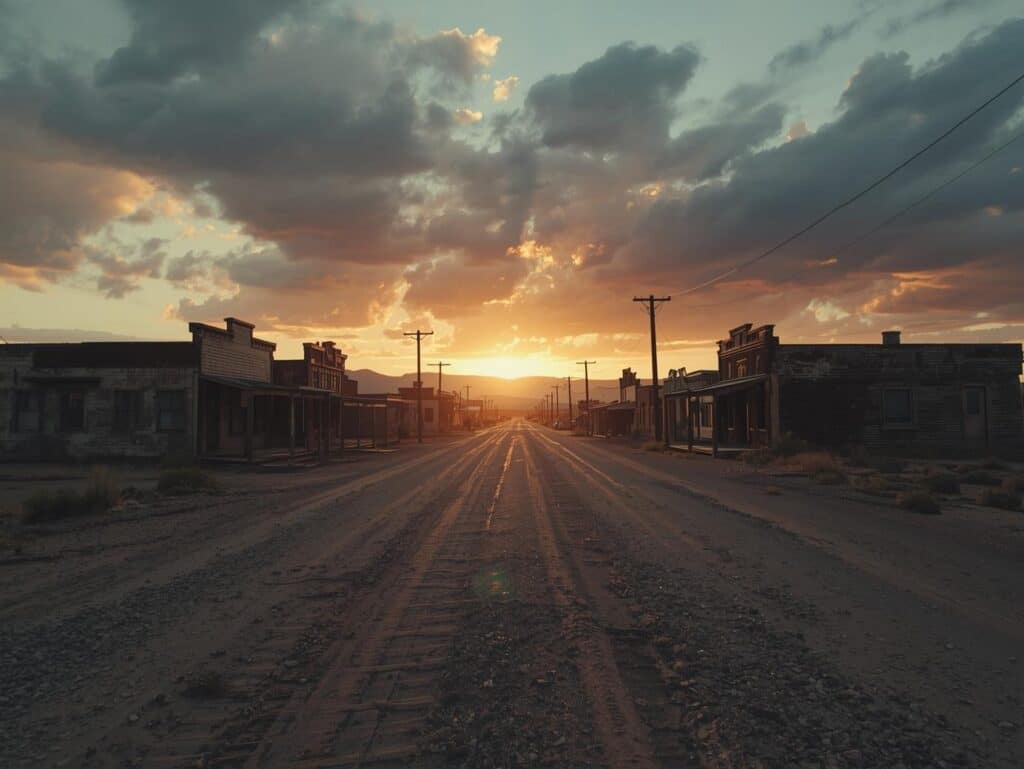
Arizona’s ghost towns are time capsules—mining camps that boomed and busted, railroad sidings that faded, and desert settlements that couldn’t outlast water shortages, economic shifts, or changing routes. Some are true “ruins in the desert.” Others are living history stops with restored buildings, museums, and staged experiences. The best ones give you that rare mix of story + scenery: weathered wood, rusted equipment, mountains in the background, and silence that feels cinematic.
This guide covers the best Arizona ghost towns to visit, what makes each one worth your day, and the safety tips that matter most when you’re exploring remote areas, unstable structures, and harsh weather.
To browse even more lesser-known options (great for building a road trip list), start with the main roundup here: Arizona ghost towns.
What Counts as a “Ghost Town” in Arizona?
In Arizona, “ghost town” can mean a few different things:
- Abandoned ruins: scattered foundations, broken structures, and minimal services
- Semi-abandoned communities: a handful of residents, a small store, some old buildings
- Restored tourist sites: preserved buildings, guided tours, museums, and clear boundaries
None are “one-size-fits-all,” which is why planning matters. A family with young kids may prefer a site with facilities and clear walking areas, while couples or photographers might chase remote, quiet spots.
When to Visit Arizona Ghost Towns
Best overall seasons: fall and spring (comfortable temps, good light, less weather drama).
Winter: excellent for lower-elevation ghost towns (especially in western and southern Arizona).
Summer: doable, but plan early mornings and respect heat—especially if you’ll be outside for long stretches.
A simple timing rule:
- Arrive early for cooler temps and fewer crowds
- Leave remote areas before late afternoon to avoid driving unfamiliar roads in fading light
The Best Arizona Ghost Towns to Visit
1) Goldfield: Classic “Old West” Atmosphere Near Phoenix
If you want an easy ghost-town outing that doesn’t require a long drive or serious planning, Goldfield is a popular pick. It’s one of the most accessible options for visitors who want weathered buildings, photo-friendly streets, and a strong “Old West” vibe without venturing deep into the backcountry.
Why it’s worth it
- Great for first-time ghost town visitors
- Easy to combine with other nearby stops
- A strong option for families who want a contained, walkable experience
Best for
- Families and mixed-age groups
- Couples who want a fun, low-stress day trip
- Anyone who prefers a “ghost town feel” without remote-road logistics
Quick tip: Go in the morning for softer light and more comfortable temperatures.
2) Vulture City: One of Arizona’s Most Famous Mining Ghost Towns
For a true mining-town atmosphere with a big story behind it, Vulture City is a standout. This is the kind of place that makes Arizona history feel tangible—buildings, equipment, and the sense that the desert kept the evidence.
Why it’s worth it
- Strong “real ghost town” character tied to mining history
- Photogenic structures and desert scenery
- A great “single-destination day trip” that feels substantial
Best for
- Couples and history fans
- Photographers chasing textures (wood, rust, stone)
- Travelers who want something more atmospheric than a quick roadside stop
Quick tip: Treat it like an outdoor museum—look closely, but don’t touch fragile structures.
3) Oatman: Route 66 Energy With Ghost Town Roots
If you want ghost-town history with a lively, quirky twist, Oatman is a must. It’s a classic Route 66 stop with a strong identity—part historic mining town, part roadside attraction.
Why it’s worth it
- A fun blend of history, kitsch, and scenic desert driving
- Easy to pair with a broader western Arizona road trip
- Excellent for travelers who want a ghost town that still feels “active”
Best for
- Families (lots to look at, easy to keep kids engaged)
- Couples who love photo ops and classic Americana
- Road trippers building a Route 66 itinerary
Pair it with: If you’re doing a nostalgic highway run, use Route 66 as your backbone and build your stops around it.
4) Chloride: Rustic, Artsy, and Great for a Slower Day
Chloride is a favorite for people who like ghost towns that still feel like places—less “theme,” more texture. Chloride offers a slower pace and a sense of discovery that’s ideal if you’d rather wander and take photos than rush through a checklist.
Why it’s worth it
- A more “local” feel than the biggest tourist stops
- Great for a relaxed visit and browsing vibe
- Strong photography potential without needing long hikes
Best for
- Couples and friend groups
- Anyone who enjoys quiet exploring
- Travelers who like a blend of history and small-town character
Quick tip: Build a snack and water plan—small-town stops can be limited depending on the day.
5) Fairbank: Ghost Town History With a Great Add-On Day
If you like ghost towns with clear historic context and a sense of place, Fairbank is a great pick. It’s one of those stops that can feel surprisingly “complete” for a day trip—especially if you combine it with other nearby southern Arizona attractions.
Why it’s worth it
- A strong history stop that works well for families
- Often pairs nicely with other southern Arizona destinations
- Great for travelers who like interpretive history rather than pure ruins
Best for
- Families who want history without risky exploration
- Couples looking for a scenic, story-driven outing
- Anyone building a southern Arizona loop
Quick tip: Make this a two-stop day—one main ghost town stop plus one scenic drive or easy walk nearby.
6) Jerome: A “Living Ghost Town” With Big Views and Easy Wandering
Not a ghost town in the strict “abandoned” sense, Jerome earns a spot on this list because it delivers what most people want from ghost town travel: mining history, dramatic hillside streets, haunted-lore energy, and an atmosphere that feels frozen in time—just with better food and more places to browse.
Why it’s worth it
- Incredible views and a strong sense of history
- Ideal for couples who want a “date day” version of ghost town travel
- Easy to enjoy without worrying about unstable structures
Best for
- Couples, weekend travelers, and photographers
- Families with older kids who enjoy quirky towns and walking around
- Anyone who wants ghost-town vibes with modern comforts
Quick tip: Wear comfortable shoes—Jerome is built on a hill, and strolling is part of the experience.
Safety Tips for Visiting Arizona Ghost Towns
Ghost towns are fun because they feel unfiltered—but that’s also why safety matters. These tips will keep your trip memorable for the right reasons.
1) Don’t enter unstable buildings or climb ruins
Old wood, adobe, and mining-era structures can collapse without warning. Even if a doorway looks fine, floors and beams may be compromised. Enjoy from the outside unless the site clearly indicates safe access.
2) Treat mine shafts like they’re invisible
Many ghost towns are tied to mining, and open shafts can be hidden by brush, shadow, or crumbling ground. Never wander off obvious paths in remote areas, especially near old industrial sites.
3) Respect private property and posted signs
Some “ghost towns” are partly private land, and boundaries may not be obvious. If you see fencing, signs, or clearly occupied property, stay out. Responsible visiting keeps these places open to the public long-term.
4) Plan for heat, even when you’re “just walking around”
The desert sun can drain you faster than expected. Bring:
- more water than you think you’ll need
- electrolytes
- sun protection (hat, sunscreen, sunglasses)
- a light layer for wind or cooler evenings
5) Watch the weather: flash floods and sudden storms
Monsoon season can turn dry washes into dangerous crossings. Don’t drive into flooded roads, and avoid exploring low areas if storms are building.
6) Be realistic about roads and your vehicle
Some ghost towns are accessed via rough or remote roads. A few guidelines:
- If you’re in a standard rental sedan, avoid roads that look sandy, rutted, or steep.
- Keep your fuel above half in remote areas.
- Save offline maps—service drops quickly outside towns.
7) Wildlife is part of the landscape
You may encounter snakes, scorpions, spiders, and aggressive insects—especially if you stick your hands where you can’t see. Wear closed-toe shoes, watch where you step, and don’t move debris or enter dark spaces.
8) Tell someone your plan if you’re going remote
If you’re visiting less-developed ghost towns (or stacking multiple remote stops), share your route and return time with someone. It’s a simple habit that adds real safety.
Responsible Ghost Town Etiquette
Ghost towns are fragile. A few “leave it better than you found it” habits matter a lot:
- Don’t take artifacts (glass, metal, “souvenirs”)—it erases history for the next visitor
- Don’t carve or write on structures
- Stay on obvious paths to reduce erosion and protect sensitive areas
- Pack out all trash, including food scraps
How to Choose the Right Ghost Town for Your Trip
Best for families
Best for couples
- Jerome (views, atmosphere, browsing + dining)
- Vulture City (true mining-town mood)
Best for classic road trip vibes
Best for a slower, quieter visit
Final Takeaway: Make the History the Main Event
The best ghost town trips aren’t about rushing to “see it all.” Pick one or two towns, give yourself time to wander, read the landscape, and imagine what daily life looked like when the place was thriving. Bring water, respect boundaries, stay out of unsafe structures, and you’ll get the kind of Arizona story you can’t find on a museum wall.