
The evening lights of Phoenix spreading across the Valley tell a story of remarkable infrastructure achievement—power flowing reliably through 118-degree summers, water arriving at taps despite 7 inches of annual rainfall, internet connecting remote desert communities to global networks. This seemingly mundane reality of flush toilets and working light switches represents engineering triumph over environmental challenges that would have rendered large-scale desert habitation impossible a century ago. Understanding utilities in Arizona means appreciating both the complexity of service delivery and the choices residents navigate among providers.
Setting up utilities marks one of relocation’s practical milestones, that moment when a house becomes a home through flowing water and humming electricity. Yet Arizona’s utility landscape proves more complex than simply calling one company for everything. The state’s mix of public and private providers, municipal and investor-owned utilities, regulated monopolies and competitive markets creates a patchwork requiring navigation. Some addresses have single providers for each service, others choose among options. Understanding this landscape before arrival prevents frustrated phone calls and service delays while potentially saving thousands annually through informed provider selection.

| Category | Details |
|---|---|
| Electricity Providers | Arizona has multiple electric utilities depending on region: • APS (Arizona Public Service) – largest provider; serves most of central/northern AZ including Phoenix suburbs • SRP (Salt River Project) – serves much of metro Phoenix; NOT statewide • Tucson Electric Power (TEP) – Tucson area • UniSource Energy – smaller cities (Flagstaff, Kingman, etc.) Electricity costs rise sharply in summer due to heavy AC use. |
| Average Electricity Costs | • Residential average: $140–$180/month (higher in summer: $220–$300+) • Phoenix region sees some of the highest summer usage in the U.S. |
| Natural Gas Providers | • Southwest Gas – primary natural gas provider statewide • Some rural areas rely on propane tanks rather than pipeline gas. |
| Water Providers | Water services are city-based or provided by regional utilities: • City of Phoenix Water Services • City of Tucson Water • SRP Canal System (delivers surface water to municipalities) • Private water districts (EPCOR, Global Water Resources) in outlying suburbs |
| Average Water Costs | • $40–$70/month for typical households • Higher during summer due to landscaping + pools • Conservation fees apply in some cities |
| Sewer & Trash Providers | Usually handled by city or county services. Typical monthly costs: • Trash/Recycling: $20–$35/month • Sewer: $25–$45/month (usage-based) |
| Internet Providers | Major providers include: • Cox Communications (dominant in Phoenix/Tucson) • CenturyLink / Quantum Fiber • Xfinity (select areas) • T-Mobile 5G Home Internet (statewide availability) • Starlink for rural regions |
| Average Internet Costs | $60–$85/month depending on speed and provider. Fiber available in growing parts of Phoenix Metro. |
| Cable & Streaming | Cable providers: Cox, Xfinity. Most residents use streaming services due to rising cable costs. |
| Cell Phone Carriers | Strong statewide coverage from: • Verizon • AT&T • T-Mobile Rural areas may have weaker data speeds but solid basic coverage. |
| Solar Energy Providers | Arizona is one of the top solar states. Major solar companies: • Sunrun • Tesla Solar • ADT Solar • Local installers: Sun Valley Solar, Elevation Solar Rebates vary; many households adopt rooftop solar to offset high summer bills. |
| Home Warranty Companies | Popular providers: American Home Shield, Choice Home Warranty, 2-10 Home Warranty, and several Arizona-based services. |
| HOA-Provided Utilities | Many condos and new communities include: • Water and sewer • Garbage collection • Landscaping • Community internet (rare but growing in new builds) |
| Utility Challenges in Arizona | • High summer power usage → grid strain + expensive bills • Water scarcity and restrictions in drought-prone areas • Hard water in many regions → water softeners common |
| Utility Strengths | • Reliable electric grid in major metros • Expanding fiber internet networks • Extensive solar resource availability |
Water in Arizona arrives through an intricate network that would impress Roman engineers. The Central Arizona Project lifts Colorado River water 2,900 feet over 336 miles, delivering 1.5 million acre-feet annually to central and southern Arizona. This modern marvel supplements groundwater pumping, surface water from Salt and Verde Rivers, and reclaimed water to serve over 5 million people in seemingly impossible desert locations. Yet for individual households, this complexity distills to a simple question: who provides my water, and what will it cost?
Phoenix water comes from the city’s Water Services Department, serving 1.7 million people across 540 square miles. The municipality draws from diverse sources—Salt River Project surface water, groundwater wells, and CAP allocations—creating resilience against drought. Monthly residential bills average $40-50 for typical usage, though desert landscaping versus grass lawns can swing bills dramatically. Phoenix’s water meets or exceeds all federal standards, though taste varies by source and season, leading many residents to install filtration systems or rely on bottled water.
Tucson Water serves 750,000 customers with a conservation-focused approach born from necessity. The utility’s groundwater dependence historically created vulnerability, driving aggressive conservation programs reducing per-capita usage 30% since 1990. Rainwater harvesting rebates, gray water system permits, and tiered pricing rewarding conservation reflect this ethos. Bills typically run $35-45 monthly, among Arizona’s lowest, though achieving these rates requires conscious consumption reduction. The utility’s transparency about water sources and quality builds trust, with annual reports detailing everything from mineral content to infrastructure investments.
The Arizona Corporation Commission regulates over 400 private water companies serving areas outside municipal boundaries. These range from large operations like EPCOR serving 500,000 people in metropolitan Phoenix suburbs to tiny systems serving single subdivisions. Private company rates typically exceed municipal rates—sometimes dramatically—with bills reaching $100+ monthly for comparable usage. Service quality varies significantly, with some companies maintaining excellent infrastructure while others struggle with aging pipes and limited resources. Homebuyers should investigate water providers carefully, as high water costs can offset seemingly attractive home prices.
Rural water delivery introduces additional complexity. Many properties outside utility service areas rely on private wells, requiring pump maintenance, water quality testing, and drought vulnerability management. Hauled water serves some remote locations, with trucks delivering to storage tanks at costs potentially exceeding $200 monthly. Shared wells through water associations create mini-utilities with their own governance challenges. The romantic notion of desert living meets practical reality when water doesn’t simply flow from taps but requires active management.
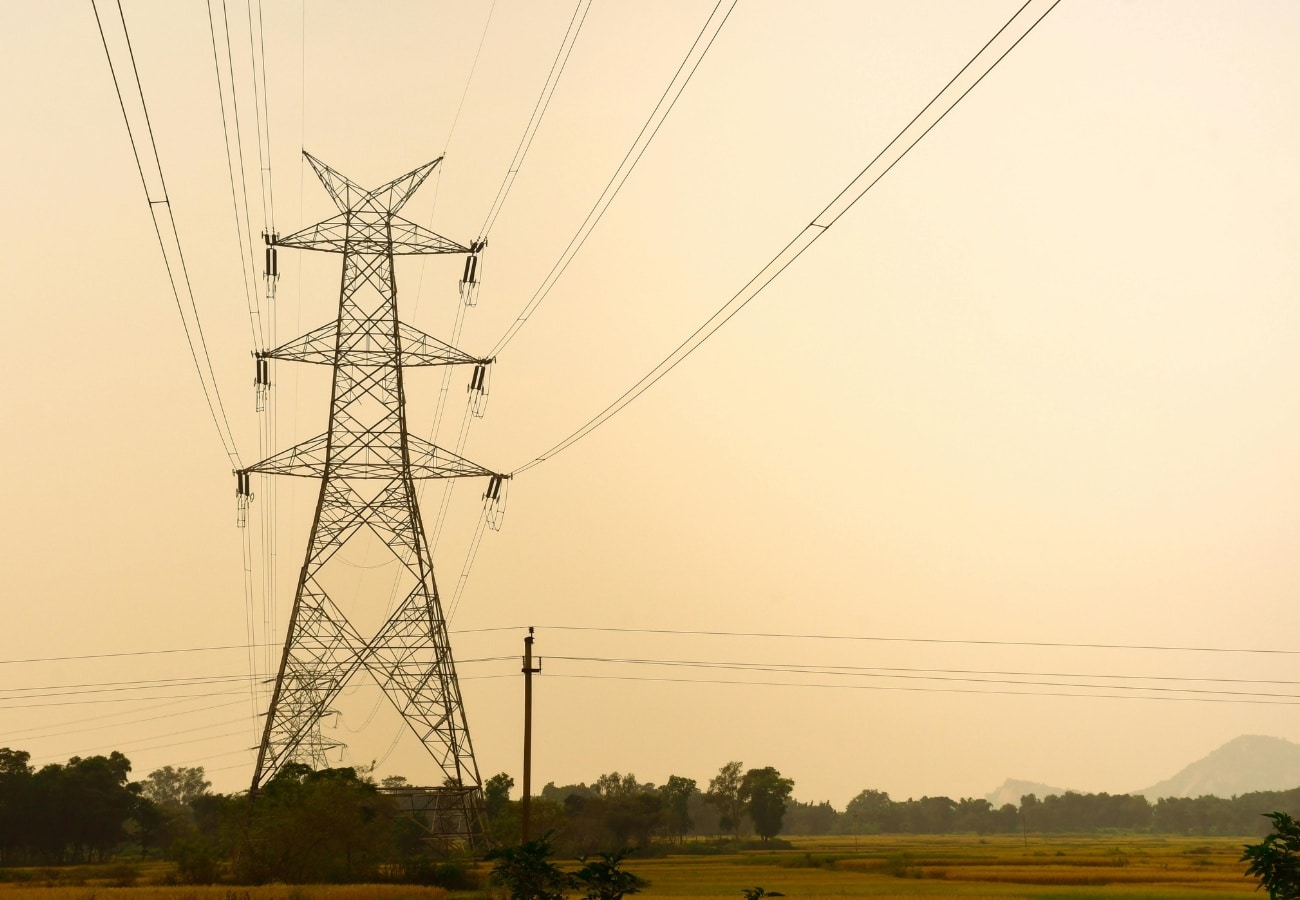
Arizona Public Service (APS) powers much of the state, serving 1.3 million customers across 11 counties. As Arizona’s largest electric utility, APS generates and purchases power from diverse sources—natural gas plants provide 40%, nuclear contributes 25%, coal adds 15%, and renewables supply 20% and growing. The company’s infrastructure investments aim for 100% carbon-free electricity by 2050, with significant solar and battery storage additions. Yet customers focus more on monthly bills than generation mix, with average residential bills running $140 in summer, $90 in winter.
Salt River Project (SRP), despite its name suggesting water service, provides electricity to over one million central Arizona customers. This unique public power utility and water provider operates as a political subdivision rather than investor-owned utility, with customers electing board members. SRP’s rates typically run 10-20% below APS, one reason homes in SRP territory command premiums. The utility’s time-of-use plans reward customers shifting usage from peak afternoon hours, with some achieving dramatic savings through conscious scheduling.
Tucson Electric Power (TEP) serves southern Arizona with increasing renewable emphasis—solar provides 17% of power, with plans reaching 70% renewable by 2035. Summer bills average $150 with air conditioning running constantly, dropping to $60 in mild winters. TEP’s battery storage installations help manage solar intermittency while providing grid stability during peak demand. The utility’s energy efficiency programs offer rebates for efficient appliances, weatherization improvements, and smart thermostats, helping customers manage costs.
Rural electric cooperatives serve areas beyond investor-owned utility territories, with member-owned organizations like Sulphur Springs Valley Electric Cooperative and Mohave Electric Cooperative providing power to remote communities. These co-ops often achieve impressive reliability despite serving vast, sparsely populated territories. Rates vary significantly—some co-ops match urban utilities while others charge premium rates reflecting infrastructure costs across challenging terrain. The cooperative model provides member control but can struggle with capital for major improvements.
Solar power transforms from alternative to mainstream across Arizona. Rooftop solar installations appear on 6% of homes, among nation’s highest penetration. Net metering policies—though less generous than previously—still enable systems paying for themselves within 7-10 years. Leased solar through companies like Sunrun provides zero-down options, though long-term contracts require careful evaluation. Community solar projects allow participation without rooftop installations. The abundance of sunshine averaging 300 days annually makes solar particularly attractive, though utility rate structures increasingly reduce solar economics through demand charges and reduced buyback rates.

Southwest Gas serves 1.1 million Arizona customers with natural gas for heating, cooking, and hot water. Winter heating bills average $40-60 monthly, far below electric heating costs. Summer bills drop to minimum charges around $20, as most Arizona homes don’t use gas for cooling. The reliability proves exceptional—gas outages remain rare even during extreme weather. Installation for new service runs $1,500-3,000 depending on distance from existing mains, leading many builders to skip gas in new developments.
Propane serves properties beyond natural gas mains, particularly in rural and mountain communities. Tanks ranging from 250 to 1,000 gallons require periodic filling at market prices fluctuating seasonally. Winter heating might consume 100-200 gallons monthly at $3-4 per gallon, creating substantial expenses for mountain homes. Tank rental versus ownership, automatic versus will-call delivery, and pre-buy versus market pricing create decisions affecting costs significantly. Some rural residents maintain backup heating sources given propane delivery vulnerabilities during winter storms.
The gas versus electric debate shapes new home construction and renovation decisions. Gas cooking remains strongly preferred by serious cooks despite induction technology advances. Gas water heating costs less operationally but requires venting and gas line access. Gas pool heating extends swimming seasons but adds infrastructure complexity. The trend toward all-electric homes, driven by solar economics and environmental concerns, challenges gas utility business models. Yet gas backup provides resilience during power outages, valuable given Arizona’s summer heat dangers.
Municipal sewer systems serve most urban and suburban Arizona, with cities operating treatment plants processing billions of gallons annually. Phoenix’s 91st Avenue Wastewater Treatment Plant ranks among the world’s largest, treating 140 million gallons daily. Monthly sewer charges typically run $35-50, often bundled with water bills. The infrastructure investment required for collection systems and treatment plants drives continuous rate increases, though Arizona’s treatment costs remain below national averages given economies of scale.
Septic systems serve properties beyond sewer lines, particularly common in rural areas and older county island subdivisions. Installation costs range from $5,000 for basic systems to $20,000+ for advanced treatment units required in sensitive areas. Maintenance involves periodic pumping every 3-5 years at $300-500, plus potential repair costs. Site conditions—soil type, groundwater depth, lot size—determine system feasibility. Some areas face moratoriums on new septic permits due to groundwater concerns, affecting property development potential.
Reclaimed water systems represent Arizona’s innovative approach to resource scarcity. Treated wastewater irrigates golf courses, parks, and increasingly residential landscapes through separate purple pipe systems. Some communities require reclaimed water connections for new developments, reducing potable water demand. The infrastructure investment for dual-piped systems limits expansion, though new technologies like direct potable reuse may transform wastewater from disposal challenge to resource opportunity.
Municipal solid waste services vary significantly across Arizona communities. Phoenix’s Public Works Department provides weekly trash and recycling pickup plus quarterly bulk collection for $37 monthly. Scottsdale contracts with private haulers but maintains oversight, with rates around $25 monthly. Tucson’s Environmental Services includes innovative programs like composting pilots and glass recycling separate from single-stream recycling. Rural areas often lack municipal services, requiring private hauler contracts or self-hauling to transfer stations.
Republic Services and Waste Management dominate private hauling, competing for municipal contracts and serving unincorporated areas. Rates for individual customers typically exceed municipal rates, running $40-60 monthly for comparable service. HOAs sometimes negotiate group rates achieving better pricing. Service levels vary—some include recycling while others charge extra, bulk pickup policies differ, and container sizes affect pricing. Competition theoretically benefits consumers, though switching friction limits actual competition.
Recycling faces challenges in Arizona as globally. Single-stream recycling’s convenience comes with contamination reducing material values. China’s recycling import restrictions disrupted markets, leading some communities to suspend programs. Glass recycling proves particularly problematic—weight makes transport expensive while low values discourage processing. Yet environmental consciousness drives continued recycling efforts, with education campaigns improving contamination rates and specialized programs for electronics, batteries, and hazardous materials.
Cox Communications dominates cable internet across much of urban Arizona, offering speeds from 100 Mbps to 2 Gbps. Plans range from $50 for basic service to $150+ for gigabit speeds, with promotional rates disguising higher regular pricing. Service reliability generally proves good, though peak usage can slow speeds in dense neighborhoods. Cox’s monopoly position in many areas limits competitive pressure, leading to regular price increases and customer service complaints. Bundle deals combining internet, cable TV, and phone provide savings though streaming adoption reduces bundle attractiveness.
CenturyLink provides DSL and fiber internet where available, with fiber offering genuine competition to cable. Their fiber service delivers symmetrical speeds up to 940 Mbps at competitive prices, though availability remains limited to newer developments and select neighborhoods. DSL serves areas lacking cable or fiber but suffers from slow speeds inadequate for modern usage. The company’s copper infrastructure struggles with reliability, particularly during monsoon storms affecting overhead lines.
Fiber deployment accelerates across Arizona, though coverage remains spotty. Google Fiber considered Phoenix but ultimately passed. Local providers like Zona Communications serve specific areas with fiber. New developments increasingly include fiber infrastructure, recognizing its importance for property values. Municipal broadband discussions occur regularly, though state law restrictions and infrastructure costs limit implementation. The patchwork of fiber availability creates dramatic differences in internet options between neighboring communities.
Cellular coverage shapes internet access for many Arizonans, particularly in rural areas lacking wired broadband. Verizon and AT&T provide strongest coverage, though T-Mobile expands rapidly. 5G deployment concentrates in urban areas, with rural communities potentially waiting years. Fixed wireless from cellular providers offers home internet alternatives, though data caps and network prioritization limit utility. Starlink satellite internet serves remote properties, with improving performance though high equipment costs.

Establishing service when relocating requires strategic sequencing. Water and electric need immediate attention—service establishment can take several days, particularly during busy summer moving season. Gas installation might require presence for indoor access. Internet installation appointments book weeks out, frustrating remote workers needing immediate connectivity. Coordination among providers proves challenging when each operates independently with different requirements, deposit policies, and activation timelines.
Deposit requirements surprise many newcomers, particularly those with out-of-state credit histories. Electric deposits can reach $500 for new customers, though good payment history enables eventual refunds. Water deposits vary by municipality and property type. Private utilities often require larger deposits than public providers. Some utilities accept surety bonds instead of cash deposits, preserving capital for other moving expenses. Understanding deposit policies helps budget for relocation’s hidden costs.
Conservation programs offer bill reduction opportunities often overlooked. Utilities provide free or subsidized home energy audits identifying efficiency improvements. Rebate programs offset costs for efficient appliances, LED bulbs, smart thermostats, and weatherization. Time-of-use rate plans reward shifting usage to off-peak hours. Budget billing programs levelize seasonal variation, preventing summer bill shock. These programs require active participation but can generate significant savings for engaged customers.
Bill payment evolution reflects broader financial technology adoption. Auto-pay from bank accounts or credit cards prevents late fees while potentially earning rewards. Paperless billing provides convenience and small discounts. Mobile apps enable usage monitoring and payment management. Budget billing averages costs across months, smoothing seasonal variation. Prepaid options help those with credit challenges or preferring pay-as-you-go approaches. Understanding payment options optimizes both convenience and potential benefits.
Smart home technology increasingly interfaces with utility services, transforming passive consumption into active management. Smart thermostats learn patterns and adjust automatically, potentially saving 20% on heating and cooling. Smart water sensors detect leaks before catastrophic damage. Solar panels with battery storage provide resilience against outages. Electric vehicle chargers integrate with time-of-use rates for optimal charging costs. These technologies require investment but offer both savings and control previously impossible.
Utility evolution continues reshaping Arizona’s infrastructure landscape. Renewable energy expansion drives grid modernization needs. Water scarcity forces conservation innovation. Broadband becomes essential infrastructure rather than luxury. Electric vehicles strain distribution systems while providing grid storage potential. These transitions create both challenges and opportunities for consumers navigating changing rate structures, new technologies, and evolving service models.
Choosing where to live increasingly involves utility evaluation beyond simple availability. Solar potential varies by HOA restrictions and roof orientation. Internet speeds differ dramatically between neighborhoods. Water costs range from minimal to budget-busting depending on provider. Electric rate structures favor different usage patterns. These factors deserve consideration alongside traditional home selection criteria, as utility costs and service quality significantly impact daily life and household budgets.
For those relocating to Arizona, utility preparation prevents frustration and potentially saves money. Research providers serving specific addresses before committing to properties. Budget for deposits and connection fees often totaling $1,000+. Schedule service establishments immediately upon lease signing or home purchase. Understand conservation programs and rate options before first bills arrive. Most importantly, embrace the reality that desert living requires conscious resource consumption, transforming utility management from afterthought into active household management component contributing to successful Arizona residency.


We use cookies to improve your experience on our site. By using our site, you consent to cookies.
Manage your cookie preferences below:
Essential cookies enable basic functions and are necessary for the proper function of the website.