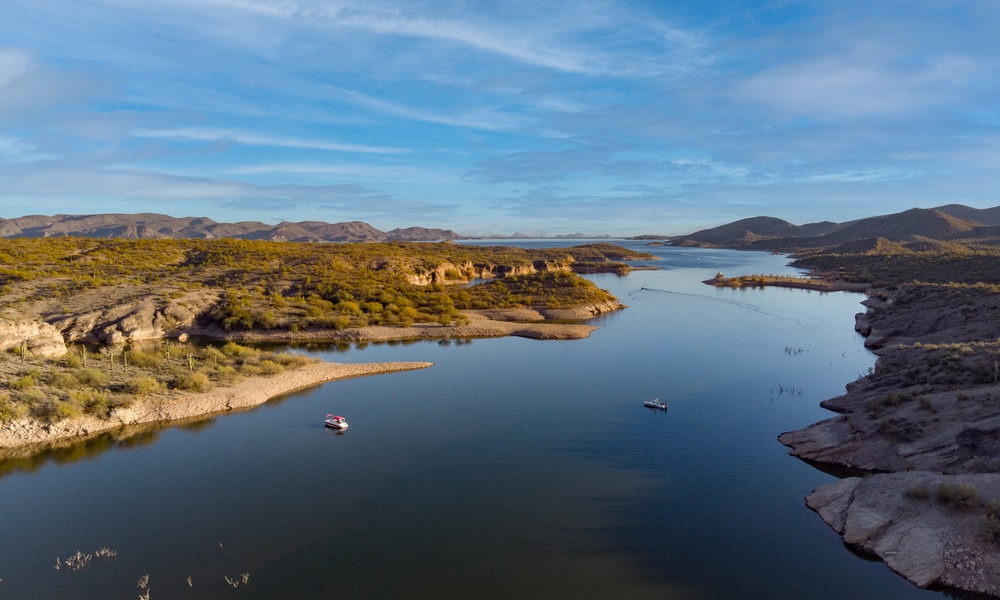
The sun rises over Maricopa with a particular clarity that only exists where desert meets development, where master-planned communities emerge from landscapes that hosted nothing but saguaros and jackrabbits just decades ago. This is Arizona’s newest city story—incorporated only in 2003, yet now home to over 76,000 residents who’ve discovered that sometimes the best opportunities lie just beyond the metropolitan edge. Here, 35 miles south of Phoenix, morning commuters head north on State Route 347 while others walk to work at local businesses, embodying the dual identity of bedroom community and emerging independent city. The air still carries that desert sweetness, unmarred by urban density, while the streets buzz with the energy of a community writing its own future.
Maricopa spreads across the Sonoran Desert at the junction of State Route 347 and State Route 238, creating a crossroads that connects to Interstate 10 and the greater Phoenix metropolitan area. This strategic positioning, combined with abundant land for development, has fueled explosive growth—the population has increased over 2,000% since 2000. Yet despite this rapid expansion, Maricopa maintains distinct boundaries, separated from Phoenix’s urban sprawl by miles of desert, Native American lands, and agricultural fields that preserve its independent character.

The median home price in Maricopa sits at $341,000, reflecting a 4.4% decrease from last year—a refreshing correction in Arizona’s overheated market. This price point unlocks modern homes with features that would cost significantly more closer to Phoenix: three-car garages, granite countertops, backyard pools, and those essential covered patios where evening gatherings extend well into Arizona’s perfect nights. The median price per square foot at $184 makes Maricopa one of the Valley’s best values for space-conscious buyers.
Master-planned communities define Maricopa’s residential landscape. Rancho El Dorado, Province, Glennwilde, and Cobblestone Farms each offer distinct personalities, from golf course living to family-focused neighborhoods with parks and trails. These aren’t the cramped developments of urban areas—lots here provide breathing room, with many properties featuring RV gates and space for toys that desert living encourages. New construction continues, with builders offering contemporary floor plans starting in the high $200s to low $400s.
With homes spending an average of 91 days on market compared to 64 last year, the frenzied pace has cooled to something more sustainable. This gives buyers time for proper inspections and thoughtful decisions rather than waiving contingencies in desperation. The rental market remains active for those testing Maricopa’s waters, though with homeownership often cheaper than renting equivalent properties, many quickly transition to buying.

Maricopa’s economy reflects its evolution from agricultural outpost to bedroom community to emerging employment center. While many residents—roughly 60%—still commute to Phoenix, Chandler, or Tempe for work, local employment opportunities continue expanding. Retail, healthcare, and education provide the foundation, with Maricopa Unified School District ranking among the largest employers. The recent additions of commercial developments along John Wayne Parkway have created retail and service positions that keep more dollars and workers local.
The median household income of approximately $75,000 reflects Maricopa’s middle-class character—comfortable but not excessive, ambitious but not pretentious. This income level, combined with Maricopa’s lower cost of living, enables lifestyles that might be unattainable in pricier Phoenix suburbs. The morning commute north, while sometimes challenging during peak hours, takes drivers through open desert where sunrise transforms the landscape—a far more pleasant start than stop-and-go urban traffic.
Economic diversification continues as Maricopa works to transform from bedroom community to full-service city. The UltraStar Multi-tainment Center, Harrah’s Ak-Chin Casino nearby, and growing medical facilities have created local employment options. City officials actively court businesses, offering incentives and streamlined permitting that attract entrepreneurs and established companies seeking affordable commercial space with access to Phoenix markets.

Education stands as a cornerstone of Maricopa’s appeal to families. The Maricopa Unified School District operates comprehensive K-12 education across multiple campuses, with newer facilities featuring technology and amenities that rival anything in the state. The district’s growth—adding schools as the community expands—means smaller class sizes and more personalized attention than overcrowded urban schools.
High school options include Maricopa High School, with its strong academic and athletic programs that build community pride. The presence of charter schools adds educational diversity, allowing families to choose programs aligning with their educational philosophies. Leading Edge Academy and Legacy Traditional Schools offer alternatives that attract families specifically for their educational approaches.
Central Arizona College maintains a Maricopa campus, bringing higher education directly to the community. This accessibility matters for both recent high school graduates and adults seeking career advancement or changes. The campus offers associate degrees and certificate programs aligned with regional employment needs, from business to healthcare to skilled trades. For four-year degrees, Arizona State University’s Polytechnic campus sits just 30 minutes away, close enough for commuting without relocating.

Healthcare in Maricopa has evolved from basic to comprehensive as the population has grown. Banner Health operates urgent care facilities within the city, handling everything from minor emergencies to routine care. The Maricopa Medical Center provides additional services, while several primary care physicians and specialists have established practices serving the growing population. This local availability means fewer trips to Chandler or Phoenix for routine medical needs.
For complex medical situations, the proximity to Phoenix’s world-class medical infrastructure proves invaluable. Banner Casa Grande Medical Center lies 20 minutes south, while Chandler Regional Medical Center sits 25 minutes north. Phoenix’s concentration of specialty hospitals—including Phoenix Children’s Hospital and the Mayo Clinic—remains accessible for advanced care. This arrangement provides the best of both worlds: local convenience for routine needs with metropolitan-quality care nearby when required.
The growing senior population has attracted home health services, assisted living facilities, and medical practices specializing in geriatric care. Several dental practices and vision centers have opened, eliminating the need to travel for routine care. The expansion of medical marijuana dispensaries reflects Arizona’s evolving healthcare landscape, providing alternative treatment options for qualifying conditions.

Living in Maricopa costs meaningfully less than Phoenix suburbs while delivering comparable quality of life. The overall cost of living index hovers near the national average at approximately 100, but this masks significant savings in specific categories. Housing costs substantially less than equivalent properties in Chandler or Gilbert, while services from auto repair to dining out typically run 10-20% below metropolitan prices.
Utility bills follow Arizona’s predictable patterns: winter months bring minimal costs as mild temperatures require little heating or cooling, while summer transforms electricity bills into major budget items. Most residents budget $250-350 for peak summer electricity when air conditioning runs constantly. The investment in ceiling fans, window coverings, and pool pumps pays dividends in comfort and lower cooling costs. Solar panels increasingly dot rooftops, with Arizona’s abundant sunshine making renewable energy particularly attractive.
Water service through Global Water Resources reflects desert realities with tiered pricing encouraging conservation. Internet options have improved dramatically, with multiple providers offering speeds supporting remote work and streaming. The absence of natural gas in many areas means all-electric homes predominate, simplifying utility management while taking advantage of increasingly efficient heat pump technology.

Transportation in Maricopa centers entirely on personal vehicles—public transit doesn’t exist beyond limited senior services. State Route 347 serves as the lifeline, connecting Maricopa to Interstate 10 and the Phoenix metropolitan area. This single primary route creates vulnerability: accidents can snarl traffic for hours, making alternate route knowledge essential. State Route 238 provides western connections, while the planned extension of State Route 24 promises future relief.
Within Maricopa, navigation proves simple with wide streets and logical layout. Master-planned communities connect via major arterials, while roundabouts—initially confusing to some—keep traffic flowing. Parking is universally free and plentiful, from residential driveways that accommodate multiple vehicles to shopping centers with vast lots. This ease of parking—never circling blocks or feeding meters—represents daily quality of life improvements over urban areas.
The commute to Phoenix employment centers typically takes 35-60 minutes depending on destination and time. Many residents report the drive time comparable to cross-town Phoenix commutes but through open desert rather than congested streets. The emergence of remote work has blessed many Maricopa residents, eliminating commutes entirely while maintaining metropolitan salaries. Phoenix Sky Harbor International Airport sits about 45 miles away—far enough to avoid aircraft noise but accessible for travel.

Maricopa’s climate embodies classic low desert Arizona: intensely hot summers, perfect winters, and that remarkable clarity of light that makes every sunrise and sunset an event. Summer arrives early and dominates the calendar from May through October, with temperatures regularly exceeding 110°F during peak months. The heat here is honest—no humidity to amplify misery, just pure, dry heat that drives residents to pools, air conditioning, and evening activities.
Winter rewards those who endure summer, delivering month after month of 70-degree days and cool nights perfect for sleeping with windows open. This seasonal perfection attracts winter visitors and reminds year-round residents why they stay. The minimal rainfall—about 7 inches annually—concentrates during winter Pacific storms and summer monsoons, leaving over 320 days of sunshine for reliable outdoor planning.
Monsoon season brings natural drama from July through September. Massive thunderheads build over surrounding mountains, delivering spectacular lightning shows and brief but intense rainfall. These storms cool evening temperatures and paint sunsets that stop traffic—literally, as drivers pull over to photograph skies painted in impossible shades of orange, purple, and pink. The desert’s response to moisture—sudden blooms and the distinctive scent of wet creosote—provides sensory rewards for those attuned to subtle desert rhythms.

Arizona’s tax structure in Maricopa provides several advantages, particularly for retirees and families. State income tax ranges from 2.59% to 4.5%, competitive with neighboring states, while Social Security benefits remain untaxed. Property taxes stay remarkably low, with effective rates well below national averages—a significant factor for both homeowners and retirees on fixed incomes.
Sales tax in Maricopa totals approximately 9.3%, combining state, county, and city rates. This applies to most purchases except groceries, which remain exempt—a meaningful savings for families. Vehicle registration through ADOT must occur within 30 days of establishing residency, with fees based on vehicle value that decrease annually. The absence of emissions testing in Pinal County until recently simplified vehicle ownership, though new requirements may affect future residents.
Business licensing and regulations remain reasonable, with city officials actively supporting entrepreneurship. The lower commercial real estate costs compared to Phoenix create opportunities for small business establishment. Home-based businesses face fewer restrictions than in many communities, supporting the growing number of remote workers and consultants who’ve made Maricopa home.

Community life in Maricopa blends suburban convenience with small-town connection. Copper Sky Recreation Complex anchors public recreation with pools, sports courts, fitness facilities, and programs for all ages. The facility hosts everything from youth sports leagues to senior fitness classes, creating natural gathering points for residents to connect. Multiple golf courses, including The Duke at Rancho El Dorado, provide that essential Arizona amenity at prices below metropolitan courses.
Annual events punctuate the calendar, from the Salsa Festival to holiday celebrations that draw thousands. The Great American Barbecue brings competition and community together, while concerts in the park provide free entertainment under star-filled skies. These events foster connections that transform neighborhoods into communities, crucial for a young city building its identity.
Shopping and dining have evolved from basic to diverse, with national chains joining local establishments along John Wayne Parkway. The UltraStar Multi-tainment Center combines movies, bowling, dining, and entertainment under one massive roof—a suburban amenity that reduces trips to Phoenix. Harrah’s Ak-Chin Casino, just minutes away, provides gaming, concerts, and dining options that rival anything in the metropolitan area.

Making Maricopa home starts with understanding its unique character—neither rural nor urban but something distinctly its own. West USA Realty agents specializing in Maricopa can navigate the various master-planned communities, explaining HOA rules, amenity differences, and neighborhood cultures that statistics don’t capture. The City of Maricopa website provides essential information about utilities, services, and community programs.
Arizonan.com offers broader context about regional living, helping potential residents understand how Maricopa fits within the Phoenix metropolitan ecosystem. The Maricopa Chamber of Commerce eagerly assists newcomers, providing business connections and community introductions that ease transition. Given Maricopa’s rapid growth, visiting during different seasons helps confirm that both the summer heat and the community’s evolution align with your expectations.
Consider spending time in various neighborhoods before choosing—each master-planned community has its own personality, from family-focused to active adult. Join community Facebook groups to glimpse daily life and concerns. Many successful relocations begin with rentals that allow exploration before purchasing, though the strong rental demand means acting quickly when properties become available.
We use cookies to improve your experience on our site. By using our site, you consent to cookies.
Manage your cookie preferences below:
Essential cookies enable basic functions and are necessary for the proper function of the website.