The morning drop-off line at a Scottsdale elementary school reveals Arizona education’s modern reality—Tesla SUVs alongside decade-old minivans, conversations switching between English and Spanish, parents in tech company badges mixed with hospital scrubs and construction gear. This diverse parade repeats at schools across Arizona, from Flagstaff’s mountain campuses to Yuma’s border communities, each reflecting their neighborhood’s unique character while grappling with universal questions about funding, quality, and opportunity. Understanding education in Arizona means navigating this complexity—a landscape where some schools rival any in the nation while others struggle with basic resources.
Education shapes relocation decisions more than perhaps any factor except employment. The young family from suburban Chicago investigates Great Schools ratings before house hunting. The Phoenix native considers private school tuition as essential budgeting alongside mortgage payments. The university professor evaluates both their employer institution and their children’s educational options. These calculations reflect Arizona’s educational reality—a state with extraordinary choice and variation, where zip code doesn’t necessarily determine educational destiny but certainly influences it. For families considering Arizona home, understanding the educational landscape from kindergarten through university becomes essential homework.

| Category | Details |
|---|---|
| K–12 System Type | Arizona has a diverse K–12 landscape, including traditional public schools, public charter schools, private schools, and homeschooling. It is known for having one of the largest charter school systems in the U.S. |
| Governance | Overseen by the Arizona Department of Education (ADE) and locally elected school districts. State Superintendent (2025): Leads statewide curriculum and assessment policies. |
| K–12 Performance | Mixed results: • Strong charter networks (e.g., BASIS, Great Hearts). • Public school performance varies widely by district. • Historically lower rankings in per-student funding nationally. |
| Funding | Primarily from state sales tax, income tax, and local property taxes. Arizona ranks near the bottom nationally in per-pupil spending but has increased funding over recent years. |
| School Choice Options | Arizona is one of the most expansive states for school choice: • Open enrollment among public schools • Charter schools • ESA (Empowerment Scholarship Accounts) for private, homeschool, or alternative education. |
| Higher Education Institutions | Major public universities: • Arizona State University (ASU) – largest and highly ranked for innovation • University of Arizona (UA) – strong in medicine, engineering, space sciences • Northern Arizona University (NAU) – known for forestry, education, and mountain campus environment |
| Tuition (Public Universities) | In-state undergraduate tuition: • ASU: ~$11,800/year • UA: ~$12,200/year • NAU: ~$11,500/year |
| Community Colleges | Large network including Maricopa Community Colleges, Pima CC, and others. Programs include 2-year degrees, trades, and transfer pathways to universities. |
| Student Demographics | Diverse student population, including large Hispanic/Latino, Native American, and rural communities. English Language Learners (ELL) make up a significant portion of K–12 students. |
| Curriculum & Standards | Follows Arizona Academic Standards in math, English, science, and social studies. Testing includes AASA, ACT, and various district assessments. |
| Education Challenges | • Teacher shortages • High student-to-teacher ratios • Funding limitations • Achievement gaps between urban, suburban, and rural communities |
| Education Strengths | • Robust charter school ecosystem • Nationally recognized universities • Strong STEM and aerospace programs • Expansive school choice and flexible education options |
Arizona educates over 1.1 million students across a system remarkable for both its diversity and disparities. The Arizona Department of Education oversees 2,267 public schools in 227 districts, ranging from single-school rural districts to massive unified districts like Mesa Public Schools with 64,000 students. This traditional public school foundation now shares space with 556 charter schools serving 200,000 students, plus private schools, homeschooling, and innovative micro-school models. The result: more educational choice than almost anywhere in America, accompanied by complexity requiring careful navigation.
Academic achievement metrics paint a mixed picture that resists simple interpretation. Fourth-grade reading scores hover near the national average, while eighth-grade math lags behind. Yet these aggregates mask enormous variation—schools in Paradise Valley and Catalina Foothills rival elite suburban districts nationally, while schools in South Phoenix and rural counties struggle with proficiency rates below 20%. The correlation between socioeconomic status and achievement remains strong, though exceptional schools in challenged communities prove poverty doesn’t predetermine outcomes.
Funding perpetually dominates Arizona education discussions. Per-pupil spending of approximately $8,400 ranks 48th nationally, well below the $13,000 national average. Teacher salaries averaging $52,000 trail neighboring states, contributing to persistent shortage with 25% of classrooms led by teachers not fully certified for their assignments. The 2018 #RedForEd teacher walkout brought national attention and modest salary increases, but structural funding challenges persist. Voters regularly face ballot measures addressing education funding through tax increases, with mixed results reflecting conflicting priorities.
The school year rhythm follows patterns familiar yet distinct. Classes typically begin in early August, accommodating Arizona’s heat by front-loading the academic calendar. Fall break in October provides relief unknown in many states. Winter break aligns with standard Christmas timing. Spring break often coincides with Cactus League baseball spring training, creating travel challenges. School ends by late May, before summer heat peaks. This calendar shapes family life—vacation planning, childcare needs, even real estate transactions timing around school years.
School choice defines Arizona’s educational philosophy perhaps more than any characteristic. Open enrollment allows attending schools outside boundary areas if space permits. Charter schools operate with flexibility traditional schools lack, creating specialized programs from STEM academies to arts conservatories. Education Savings Accounts provide public funds for private school tuition, tutoring, or homeschool expenses for eligible students. Online schools serve students statewide. This marketplace approach creates competition theoretically driving improvement, though critics argue it increases inequality and reduces neighborhood school resources.
Traditional public schools anchor most Arizona communities, serving roughly 75% of students. These district schools range from excellent to struggling, often within the same district. Scottsdale Unified operates both nationally recognized Desert Mountain High School and schools facing significant challenges. The quality factors everyone considers—test scores, teacher experience, enrichment programs—vary dramatically. Yet public schools provide crucial services beyond academics: special education, English language learning, free and reduced lunch programs, transportation. They serve all students regardless of ability, behavior, or family resources.
The relationship between neighborhoods and schools creates feedback loops affecting property values and community character. Homes in Kyrene Elementary boundaries command premiums. Families stretch budgets for Catalina Foothills addresses. BASIS Charter School locations influence development patterns. This geography of opportunity troubles equity advocates while motivating real estate decisions. Some districts attempt balancing through specialized programs drawing students across boundaries—International Baccalaureate, dual language immersion, STEM academies—with mixed success.
Charter schools proliferated following 1994 legislation making Arizona a pioneer in the movement. Today’s charter landscape includes everything from single-campus community schools to statewide networks like Great Hearts Academies. BASIS Charter Schools achieve remarkable academic results, regularly topping national rankings. Montessori and Waldorf charters offer alternative pedagogies. Arts, language, and STEM-focused charters provide specialized instruction. The flexibility enabling innovation also allows failure—dozens of charters close annually for academic or financial reasons.
Charter school selection requires careful evaluation beyond marketing materials. Academic results vary wildly despite selective admission processes some employ. Facilities range from purpose-built campuses to converted strip malls. Transportation rarely exists, limiting access for families without flexible schedules. Governance structures affect stability—some operate as non-profits with community boards, others as for-profit enterprises. The lottery admission process creates uncertainty, with popular schools maintaining long waitlists. Understanding individual charter operations, not assuming quality from “charter” designation, proves essential.
Private schools serve approximately 6% of Arizona students, with options spanning religious schools to elite preparatory academies. Phoenix Country Day School, Brophy College Preparatory, and Xavier College Preparatory rival Eastern boarding schools in academic rigor and college placement. Catholic schools provide religious education with academic solid foundations at lower costs than secular private schools. Montessori, Waldorf, and other alternative philosophy schools attract families seeking specific approaches. Tuition ranges from $5,000 at parochial schools to $30,000+ at elite institutions, with financial aid varying significantly.

School district boundaries in Arizona create puzzles defying logic without historical context. Elementary districts, high school districts, and unified districts overlay creating situations where neighbors attend different schools despite identical addresses. A Tempe home might fall within Tempe Elementary but Phoenix Union High School boundaries. Some areas have multiple elementary districts feeding one high school district. These boundaries, often established decades ago, persist despite demographic shifts creating significant enrollment imbalances.
The practical impact of boundaries extends beyond simple school assignment. Property tax rates vary by district, with some homeowners paying for bonds in districts their children don’t attend. School quality perceptions affect property values more than actual boundaries—homes perceive as “Scottsdale schools” command premiums even if technically in different districts. District transfer policies allow boundary crossing but with restrictions and often requiring annual reapplication. Understanding these complexities before home purchase prevents unwelcome surprises.
Enrollment procedures vary significantly between districts and school types. Traditional public schools typically guarantee enrollment for boundary residents, with registration requiring proof of residency, immunization records, and birth certificates. Open enrollment periods for out-of-boundary attendance happen annually, usually in spring for fall enrollment. Charter schools conduct lotteries when applications exceed capacity, with preferences for siblings and sometimes founding families. Private schools maintain independent admissions processes ranging from simple applications to comprehensive evaluations including testing, interviews, and recommendations.
The digital divide became apparent during pandemic remote learning, with some districts seamlessly transitioning while others struggled to provide basic connectivity. This technology gap persists, affecting homework completion and digital literacy development. One-to-one device programs providing every student tablets or laptops expand but remain incomplete. Internet access challenges particularly affect rural and low-income communities. The infrastructure supporting 21st-century learning—reliable broadband, modern devices, technical support—varies dramatically between districts and schools.
Arizona State University stands as the nation’s largest public university by enrollment, with over 140,000 students across five physical campuses and extensive online programs. ASU’s transformation under President Michael Crow from commuter school to innovation powerhouse reshaped American higher education. The university’s academic reputation rose while maintaining accessibility, rejecting exclusivity for inclusion. Programs in sustainability, engineering, and business achieve national recognition. The Thunderbird School of Global Management trains international business leaders. Yet ASU’s size creates challenges—impacted classes, housing shortages, and concerns about undergraduate experience quality at such scale.
University of Arizona in Tucson balances ASU’s innovation emphasis with traditional research university strengths. The institution’s astronomy, optical sciences, and medical programs achieve global recognition. Arizona’s medical school produces physicians serving underserved communities statewide. The university’s association with observatories and NASA missions provides unique undergraduate research opportunities. Athletic programs, particularly basketball, create community identity beyond academics. Yet budget challenges and administrative turmoil created instability, with concerns about brain drain to better-funded institutions.
Northern Arizona University serves different needs from its Flagstaff base, providing smaller university experience with 30,000 students. NAU’s forestry, environmental science, and education programs align with Northern Arizona’s landscape and communities. The mountain setting attracts students seeking four-season climate and outdoor recreation access. Nursing and health sciences programs address rural healthcare workforce needs. Distance learning serves remote communities across Arizona. NAU provides important economic impact for Flagstaff while maintaining more intimate scale than state’s larger universities.
Community colleges provide crucial access and workforce development through ten districts operating over 50 campuses. Maricopa Community Colleges, the nation’s largest community college district, serves 140,000 students with programs ranging from university transfer preparation to career technical education. Pima Community College anchors Tucson’s workforce development. Rural community colleges like Yavapai and Cochise provide local access to higher education in areas distant from universities. Dual enrollment programs allow high school students earning college credit, accelerating degree completion while reducing costs.
Grand Canyon University’s transformation from small Baptist college to 100,000-student enterprise (mostly online) represents for-profit education’s controversial role. The campus expansion transformed West Phoenix, with new dormitories, athletic facilities, and academic buildings creating college town atmosphere in urban neighborhood. Yet questions about educational quality, aggressive recruiting, and student debt levels generate criticism. Other for-profit institutions operate in Arizona with mixed reputations, requiring careful evaluation by prospective students. The sector’s presence reflects Arizona’s market-oriented approach extending through higher education.
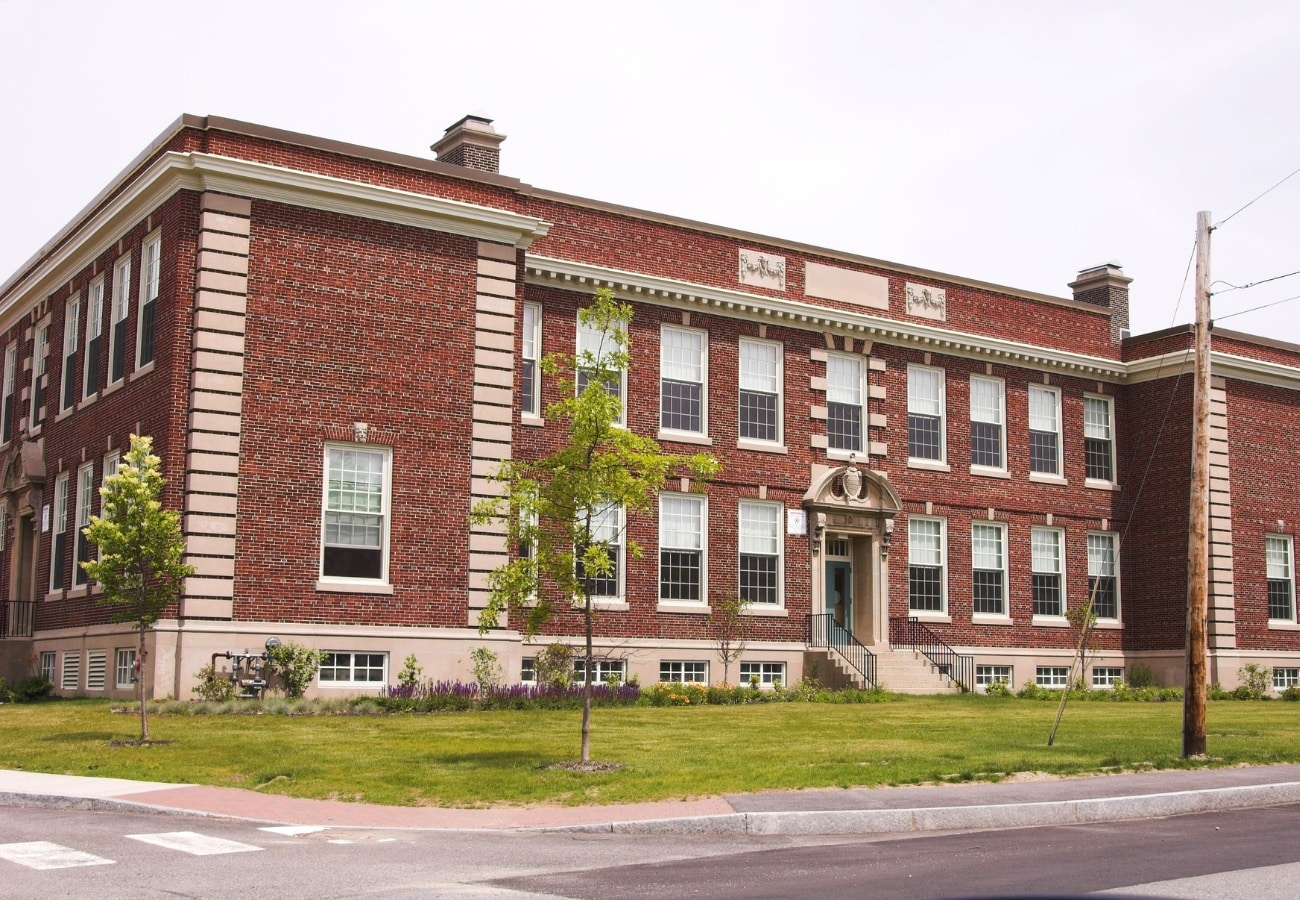
Measuring school quality proves more complex than simple test scores or ratings suggest. GreatSchools ratings, heavily influential in real estate decisions, aggregate test scores, progress metrics, and equity indicators into 1-10 scores. Yet these ratings correlate strongly with demographics, potentially penalizing diverse schools making significant progress from lower baselines. State letter grades (A-F) incorporate additional factors including graduation rates and English learner progress, but still face criticism for oversimplification. Parents increasingly look beyond ratings to specific programs, teacher retention, and community feedback.
Advanced placement and honors programs indicate academic rigor for college-bound students. Schools like BASIS Chandler require all students to take multiple AP exams, achieving remarkable pass rates. Traditional public schools vary widely in AP offerings—some provide dozens of courses while others offer few or none. Dual enrollment programs allowing college credit provide alternatives, particularly valuable for students needing workforce preparation alongside academic credentials. International Baccalaureate programs at schools like North High School provide globally recognized diplomas though require significant resource investment.
Extracurricular opportunities extend education beyond classroom walls. Arizona’s climate enables year-round athletic programs, with competitive swimming, golf, and tennis joining traditional sports. Robotics teams, debate clubs, and music programs achieve national recognition at well-resourced schools. Yet activity fees ranging from hundreds to thousands of dollars create barriers for low-income families. Transportation challenges limit rural student participation. The correlation between extracurricular participation and college admission advantages raises equity concerns about access to these opportunities.
Special education services vary significantly in availability and quality across districts and schools. Federal requirements mandate appropriate education for students with disabilities, but implementation differs dramatically. Some districts excel at inclusion and support, while others face due process complaints and litigation. Charter schools sometimes counsel out special needs students, though legally prohibited from refusing enrollment. Private schools have no obligation to provide special education services. Parents of special needs children face additional complexity evaluating not just academic quality but service availability and district cooperation.
Choosing schools in Arizona requires balancing multiple factors rarely aligning perfectly. The family prioritizing academic rigor might sacrifice diversity. Those seeking specialized programs might accept longer commutes. Budget constraints might eliminate private options despite preference. Charter school lotteries introduce uncertainty into planning. These tradeoffs require honest assessment of priorities and pragmatic acceptance of imperfection. No school provides everything, but Arizona’s variety means most families find acceptable options with sufficient research.
The parental involvement expected in many Arizona schools surprises some newcomers. Fundraising supports programs from art to athletics, with some PTAs raising hundreds of thousands annually. Volunteer requirements at charter and private schools mandate family participation. Classroom assistance, field trip chaperoning, and event organization depend on parent availability. This involvement strengthens school communities but challenges working families and those without flexible schedules. Understanding expectations before enrollment prevents conflict and ensures realistic commitment assessment.
Educational planning extends beyond immediate enrollment to long-term trajectory. Elementary school choices affect middle school options which influence high school paths. High school selection impacts college preparation and admission prospects. Arizona’s school choice creates opportunities but requires strategic thinking typically unnecessary in traditional neighborhood school systems. Starting research early, understanding deadlines, and maintaining flexibility help navigate this complexity. Professional educational consultants increasingly help families optimize choices, though their services add another expense.
Technology’s role in Arizona education continues evolving post-pandemic. Google Classroom, Canvas, and other learning management systems became standard. Parent portal apps provide real-time grade access and communication. The benefits of transparency and connection compete with concerns about screen time and digital surveillance. Rural districts particularly benefit from technology enabling access to courses and resources previously unavailable. Yet implementation quality varies, with some districts providing comprehensive support while others struggle with basic functionality.
For families relocating to Arizona, education research should begin well before arrival. Visit schools when possible, recognizing marketing presentations differ from daily reality. Talk with current parents about experiences beyond official communications. Understand transportation logistics affecting daily routines. Factor education costs—from free public schools to $30,000 private tuition—into budgeting. Consider backup options given charter school lottery uncertainty. Most importantly, remember that engaged parents and motivated students succeed across various educational settings, making family commitment as important as school selection.
The future of Arizona education remains actively debated and shaped through policy, funding, and choice. Universal voucher programs expand private school access while potentially reducing public school resources. Technology enables new learning models while raising equity concerns. Teacher shortages drive innovation in recruitment and retention. Demographics shift with continued population growth and changing economics. These dynamics ensure Arizona’s educational landscape continues evolving, creating both opportunities and challenges for families navigating this complex but crucial system determining their children’s futures.


We use cookies to improve your experience on our site. By using our site, you consent to cookies.
Manage your cookie preferences below:
Essential cookies enable basic functions and are necessary for the proper function of the website.