
Dawn arrives differently across Arizona’s elevation zones. While Phoenix basks in golden morning light at 1,100 feet, Flagstaff’s ponderosa pines catch first sun at 7,000 feet, their needles still crystalline with overnight frost. This vertical diversity—spanning from desert floor to mountain peak—creates not one Arizona climate but many, each offering its own rhythm of seasons and relationship with the natural world.
The conversation about Arizona’s climate often begins and ends with heat, yet this simplification misses the environmental symphony playing across 113,000 square miles of remarkable diversity. Yes, summer temperatures in Phoenix can reach 118°F, but Flagstaff simultaneously enjoys highs in the comfortable 80s. The same state that hosts the Sonoran Desert’s saguaro cacti also nurtures alpine tundra above treeline on the San Francisco Peaks. Understanding this environmental complexity becomes essential for anyone considering Arizona home—not just for comfort, but for choosing the lifestyle that resonates with your vision of daily life.
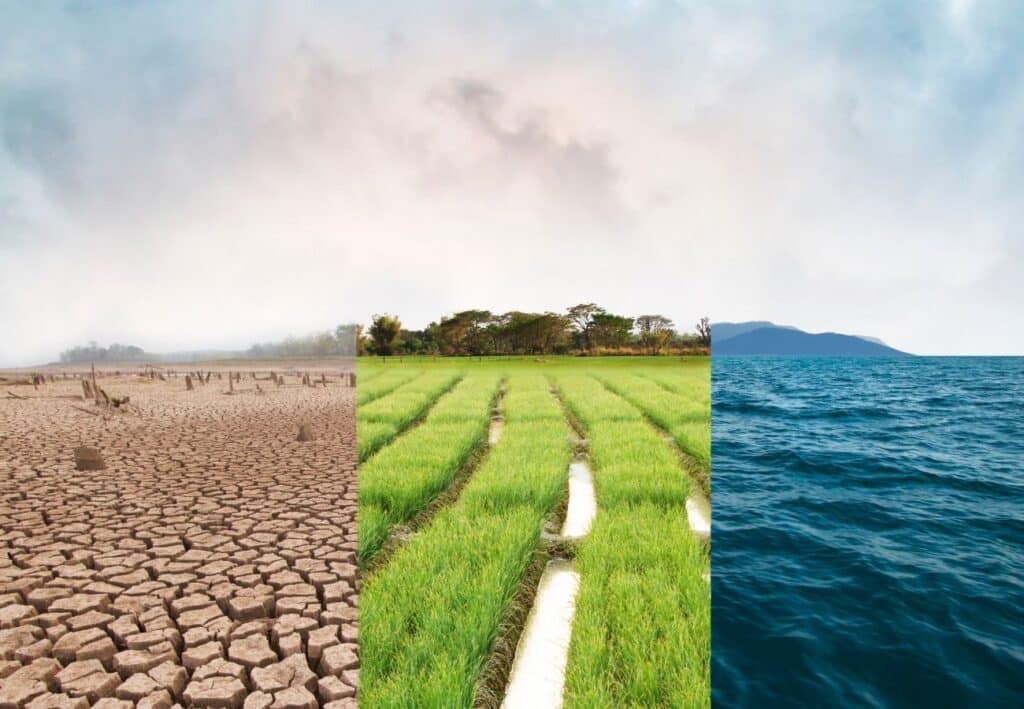
| Category | Details |
|---|---|
| General Climate Type | Primarily arid and semi-arid, with desert conditions in the south (Sonoran Desert) and temperate mountain climates in the north (Colorado Plateau, Mogollon Rim). |
| Average Temperatures | Summers are very hot in southern Arizona (average highs 100–110°F / 38–43°C). Winters are mild in the south (50–70°F / 10–21°C) and cold with snow in the north and higher elevations. |
| Rainfall | Low annual rainfall: 3–16 inches (75–400 mm) depending on region. Two main rainy periods — winter rains (Dec–Mar) and monsoon season (Jul–Sep). |
| Humidity | Generally low, but humidity rises significantly during the monsoon months. |
| Monsoon Season | Occurs July to September, bringing short, intense thunderstorms, flash floods, and dust storms (haboobs). |
| Snowfall | Common in northern Arizona (Flagstaff, Grand Canyon’s North Rim). Rare in southern desert areas like Phoenix and Tucson. |
| Environmental Challenges | – Drought and water scarcity (especially in the Colorado River basin) – Wildfires during dry seasons – Urban heat islands in large cities – Dust storms and air quality concerns. |
| Natural Resources | Rich in copper, coal, and uranium; significant solar energy potential due to high sunshine hours. |
| Ecosystems & Biodiversity | Diverse habitats: deserts, forests, mountains, and canyons. Home to saguaro cacti, pinyon pines, elk, coyotes, and hundreds of bird species. |
| Conservation Efforts | Protected lands include Grand Canyon National Park, Saguaro National Park, and numerous state parks and reserves. Focus on water conservation, wildfire management, and renewable energy adoption. |
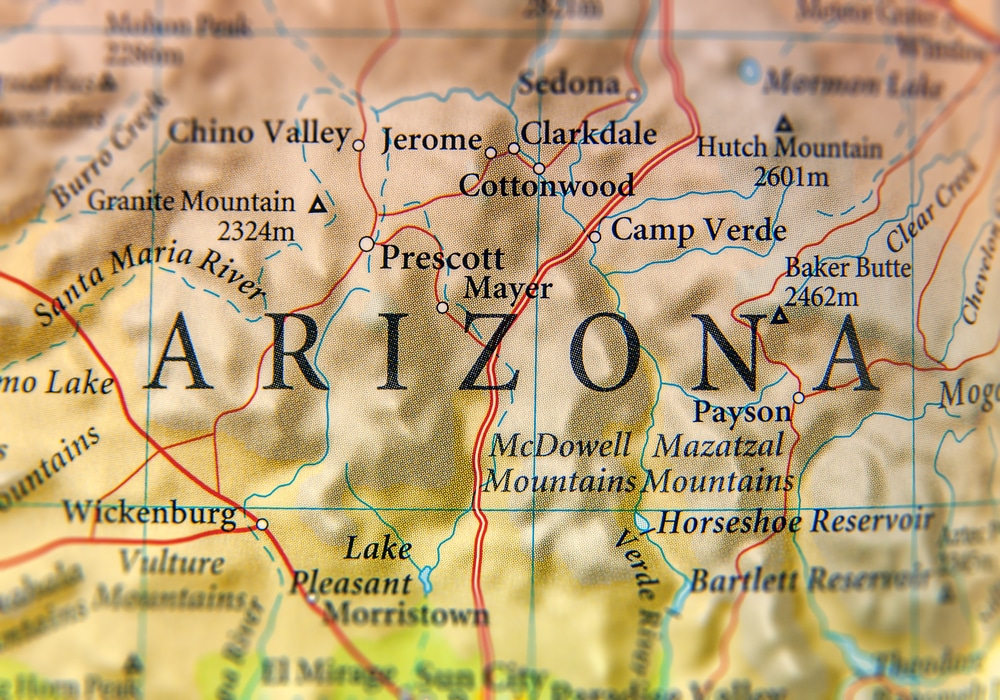
The National Oceanic and Atmospheric Administration identifies five distinct climate zones across Arizona, each shaped by elevation, latitude, and topographical features.
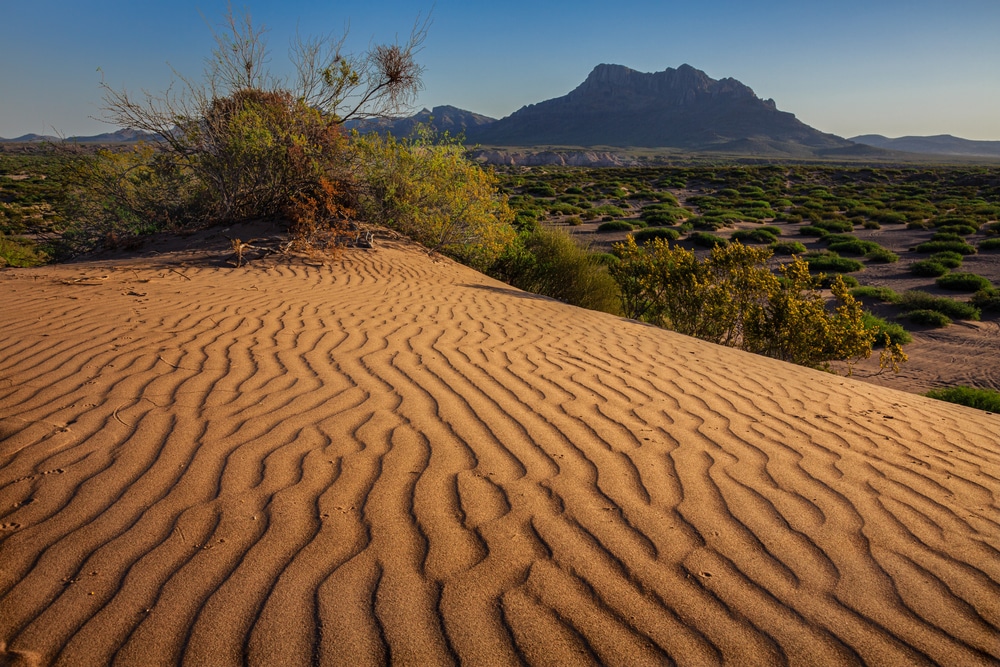
Encompassing Phoenix and Yuma, this zone experiences the archetypal Arizona weather—mild winters averaging 65–70°F and scorching summers where 100°F becomes the baseline rather than the exception. Yet even here, nuance emerges. Morning temperatures in May might hover at a perfect 75°F, while October through April delivers what many consider the finest weather anywhere in North America.
Including Tucson and Wickenburg, this zone sits 1,000 to 3,500 feet higher, enough to shave 5–10 degrees off summer peaks while maintaining the winter mildness that defines Arizona living. Tucson’s summer monsoons arrive earlier and stronger than Phoenix’s, bringing dramatic afternoon thunderstorms that transform desert air from oppressive to electric. These rains, falling primarily July through September, provide 50% of southern Arizona’s annual precipitation in spectacular fashion.
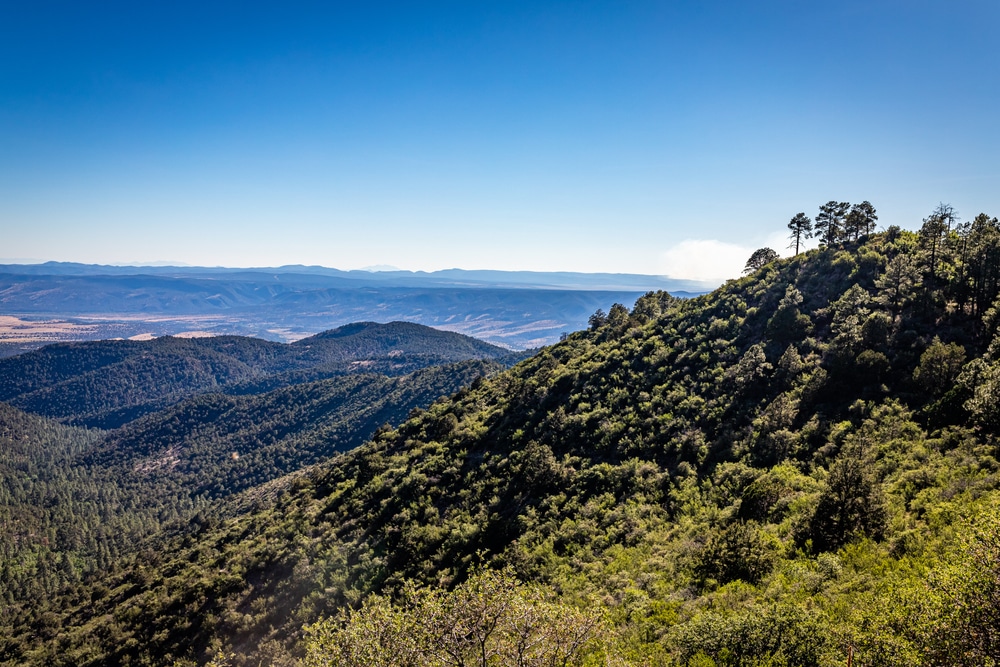
Stretching through Prescott and Payson at 4,000 to 7,000 feet, this region introduces something unexpected: four distinct seasons. Spring actually exists here, with wildflower blooms that surprise those who assume Arizona means eternal brown. Summer highs reach the pleasant 80s and 90s. Fall brings authentic color changes as oak and aspen leaves turn gold. Winter delivers enough snow for Christmas card scenes without the prolonged deep freeze of true mountain climates.
Above 7,000 feet, this region creates Arizona’s alpine environment. Flagstaff averages 100 inches of snow annually—more than Denver—while maintaining 266 days of sunshine. This combination creates a particular magic: mornings skiing at Arizona Snowbowl followed by afternoon hiking in sunshine. The San Francisco Peaks soar to 12,633 feet, high enough that summit conditions resemble Colorado’s fourteeners. Meanwhile, the White Mountains in eastern Arizona offer cool summer retreats where Phoenix residents maintain cabins for July and August escapes.
That dramatic escarpment separating high country from low desert generates its own weather patterns. Storms build against this 200-mile geological feature, creating microclimates that can vary dramatically within miles. Sedona, nestled below the rim at 4,350 feet, enjoys what many call Arizona’s most perfect climate—four gentle seasons with minimal extremes. Winter snow dustings on red rocks create postcard vistas, while summer highs rarely exceed 95°F.
Monsoon season deserves special attention in Arizona’s climate story. From July through September, atmospheric moisture surging from the Gulf of California and Gulf of Mexico transforms afternoon skies into towering thunderheads. These storms bring not just rain but drama—lightning displays that illuminate entire valleys, dust storms called haboobs that roll across Phoenix like apocalyptic walls, flash floods that turn dry washes into temporary rivers. Monsoons provide 30–40% of annual rainfall for much of Arizona, concentrated in nature’s most theatrical delivery system.
Air quality in Arizona presents a complex picture that varies significantly by location and season. The Arizona Department of Environmental Quality monitors air quality across the state, with most areas achieving “Good” ratings 200–250 days annually. Phoenix faces particular challenges during winter inversions, when cool air traps pollutants in the Valley of the Sun. Yet even during these events, air quality rarely reaches levels common in California’s Central Valley or Utah’s Wasatch Front. Tucson and Flagstaff consistently rank among the cleanest air in Western metropolitan areas.
The desert environment brings unique air quality considerations. Dust—both naturally occurring and human-disturbed—contributes to particulate matter, especially during dry spring months and monsoon haboob events. Valley Fever, caused by fungal spores in desert soil, affects roughly 10,000 Arizonans annually, though most cases remain mild. Pollen seasons vary by elevation—desert blooms in spring, mountain forests in summer—allowing allergy sufferers to sometimes escape triggers by changing elevation rather than latitude.
Water resources shape Arizona’s environmental reality more than any other factor. The state receives average annual precipitation of just 13 inches, compared to the national average of 38 inches. This scarcity drives innovation and conservation. Arizona leads the nation in water recycling and reuse, with some communities recycling 90% of wastewater. The Central Arizona Project, channeling Colorado River water 336 miles to Phoenix and Tucson, represents one of America’s most ambitious water projects.
The Colorado River provides about 40% of Arizona’s water supply, supporting both urban areas and agricultural regions. Lake Mead and Lake Powell, the river’s massive reservoirs, have experienced historic lows due to prolonged drought and climate change. Yet Arizona’s water banking system—storing unused allocations underground for future use—provides buffer against shortage. Cities have reduced per-capita water consumption 30% since 1990 through conservation measures, desert landscaping incentives, and efficient infrastructure.
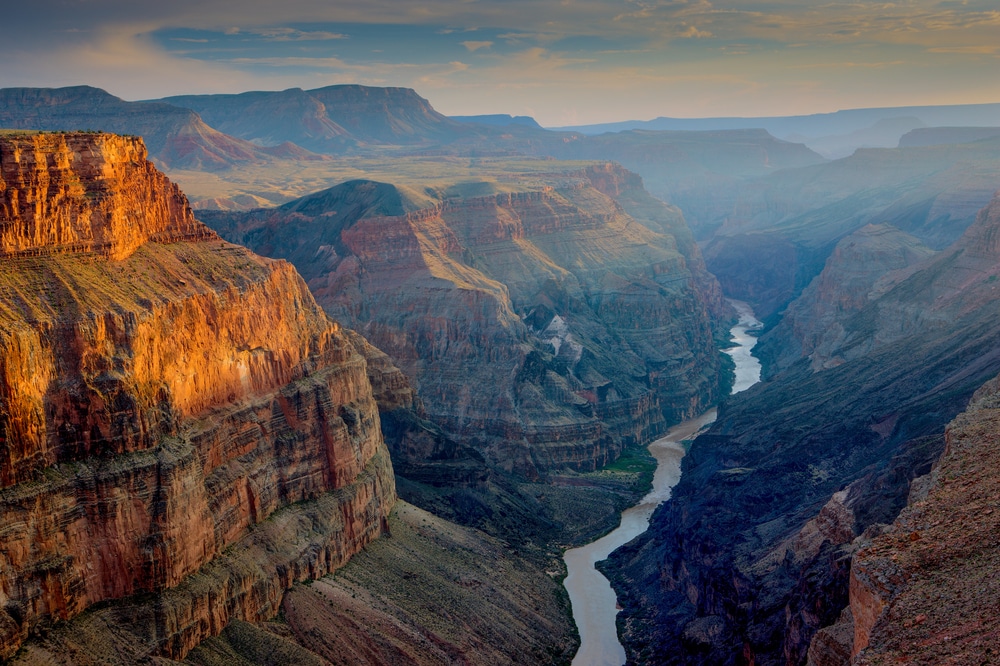
Arizona’s ecological diversity ranks among North America’s highest, with ecosystems ranging from Sonoran Desert to alpine tundra within hours’ drive. The Sonoran Desert itself hosts remarkable biodiversity—over 2,000 plant species, 60 mammal species, and 350 bird species.
Sky Island mountains—isolated ranges rising from desert seas—create biological laboratories where species from different climates mingle uniquely. The Chiricahua Mountains in southeastern Arizona host species from four major ecosystems: Sonoran Desert, Chihuahuan Desert, Rocky Mountains, and Sierra Madre. This convergence creates biodiversity hotspots recognized globally for conservation importance.
Adapting to Arizona’s environment means embracing its rhythms rather than fighting them. Summer in the desert regions becomes a lesson in schedule adjustment—morning activities before 9 AM, evening emergence after 6 PM, midday siestas that honor the heat.
Desert landscaping represents both environmental adaptation and cultural shift. Xeriscaping—using native, drought-tolerant plants—creates beautiful yards using 50–75% less water than traditional lawns.
Seasonal strategies develop naturally with experience. Monsoon season means carrying umbrellas for sun as much as rain, watching western skies for afternoon storm development, avoiding washes and low crossings during storms.
Indoor air quality becomes surprisingly important in a state where buildings remain sealed for cooling or heating much of the year. Modern construction emphasizes ventilation systems that bring filtered outside air without compromising efficiency.
Wildlife encounters add dimension to Arizona’s environmental experience. Javelinas wander suburban neighborhoods. Coyotes adapt remarkably to urban interfaces. Rattlesnakes emerge during warm months, requiring awareness but not paranoia.
Sustainability initiatives reflect growing environmental consciousness across Arizona. Solar panels appear on more rooftops each year—Arizona ranks third nationally in solar capacity. Electric vehicle adoption accelerates with expanding charging infrastructure.
Choosing where to live in Arizona means choosing your climate and environmental experience. The retiree seeking year-round golf might gravitate toward Phoenix’s reliable sunshine, while the outdoor enthusiast might choose Flagstaff’s four seasons.
Health considerations intersect with environmental choices. Those with respiratory conditions might avoid dusty desert areas during windy seasons or consider higher elevations with cleaner air.
Climate change adds complexity to Arizona’s environmental future. Models predict hotter summers, more variable precipitation, and increased extreme weather events. Yet the state’s experience managing extreme conditions positions it well for adaptation.
The night sky offers an environmental asset often overlooked until experienced. Arizona’s dark sky communities—Flagstaff, Sedona, and others—preserve celestial views increasingly rare in America.
Natural disasters in Arizona differ from other regions’ threats but require equal preparation. Wildfires pose the greatest risk, particularly in forested areas and urban-wildland interfaces.
Conservation becomes a lifestyle rather than an ideology in Arizona. Residents learn to read water bills as carefully as bank statements. Hiking groups practice Leave No Trace principles protecting fragile desert crusts.
The environmental story of Arizona ultimately becomes personal—how you engage with spectacular landscapes, adapt to climate realities, and find your place within diverse ecosystems.
Living in Arizona means accepting environmental tradeoffs while discovering unexpected benefits. Yes, summer heat limits outdoor activities, but it also creates a culture of dawn hiking, evening socializing, and night swimming that builds unique community rhythms.
The environment here shapes daily life in ways both obvious and subtle. It influences architecture, social patterns, and shared experiences—everyone has a haboob story, a wildlife encounter, or a sunrise that stopped them mid-stride.
For those considering Arizona home, environmental factors deserve careful consideration but shouldn’t provoke fear. Millions thrive here across all climate zones, finding ways to work with rather than against natural conditions.
Arizona’s environment offers what is increasingly rare elsewhere: direct connection with nature’s power and beauty.
The invitation Arizona’s environment extends isn’t to comfort but to engagement. It asks residents to notice, rewards observation with beauty, and teaches patience—waiting for rain, for cool mornings, for perfect October days. These lessons enrich life beyond residence into genuine inhabitation.

We use cookies to improve your experience on our site. By using our site, you consent to cookies.
Manage your cookie preferences below:
Essential cookies enable basic functions and are necessary for the proper function of the website.