Arizona is one of those places where the drive is the attraction. In a single day you can roll from cactus-studded desert into pine forests, then finish on a canyon rim at sunset. The key is choosing routes that match your season, your passengers (kids, couples, friends), and your idea of a “good stop” (quick viewpoint pull-offs vs. hikes vs. historic main streets).
This guide covers Arizona’s most memorable scenic drives—plus the viewpoints you shouldn’t skip, easy stops to break up the miles, and practical tips that keep the day smooth.
How to Plan a Scenic Drive That Feels Relaxing (Not Rushed)
Pick one “hero stretch” and build around it
Most scenic drives have a portion where the views are nonstop (a canyon, a rim road, a winding forest descent). Make that your anchor and keep the rest of the day light.
A simple formula:
- 1 hero stretch
- 2–3 viewpoints
- 1 town stop or picnic stop
- 1 short walk (optional)
Start earlier than you think (especially weekends)
Parking at popular overlooks can get crowded fast—especially in Sedona and the Grand Canyon area. A 7–8 a.m. start often means:
- easier pull-offs and parking
- cooler temps for short walks
- better light for photos
Budget time for “surprise stops”
Arizona is full of roadside moments you didn’t plan—an overlook, a storm clearing, a random diner that smells amazing. Leave at least 60–90 minutes of cushion in your day.
Best Seasons for Arizona Scenic Drives
Arizona’s seasons depend heavily on elevation:
- Spring (March–May): great statewide; desert is comfortable and high country is pleasant.
- Summer (June–September): focus on higher elevations (Flagstaff, forests). Desert drives are best at sunrise/sunset.
- Fall (October–November): one of the best windows—clear skies, comfortable temps, less intense crowds than spring.
- Winter (December–February): excellent for southern Arizona drives; northern routes can bring snow/ice.
If your route climbs into the mountains, pack layers even when Phoenix/Tucson feel warm.
What to Bring for Viewpoint Hopping
Even for “mostly driving” days, these make a big difference:
- Plenty of water + electrolytes
- Snacks (and one “treat” snack for morale)
- Sunscreen + sunglasses (Arizona UV is no joke)
- Offline maps downloaded (service can drop suddenly)
- Phone charger + backup cable
- Light jacket/blanket (especially in northern Arizona)
The Best Scenic Drives in Arizona
1) Sedona’s Red Rock Scenic Drive (SR-179 + viewpoints)
If you want iconic red-rock scenery with easy pull-offs, base your day around Sedona. Even if you don’t hike, the town is surrounded by viewpoint-rich roads that deliver huge payoff for minimal effort.
Why it’s special: towering red formations, sunrise/sunset glow, short walks that feel “big”
Best for: couples, first-timers, photographers, families who want easy stops
Can’t-miss viewpoints
- A sunrise or sunset overlook where you can park, step out, and just stare
- A short, flat-ish viewpoint walk (great for kids and grandparents)
Stops that make the day better
- A mid-morning coffee stop in town (use it as your “reset” between viewpoints)
- A shaded picnic in a designated area (especially in warmer months)
Pro tip: Sedona gets busy. The easiest upgrade you can give your day is arriving early, doing your top viewpoint first, then treating everything else as a bonus.
2) Oak Creek Canyon Scenic Drive (Flagstaff ↔ Sedona via SR-89A)
This is the classic “two ecosystems in one drive” route: you move from red-rock country into a lush canyon corridor and then climb into cool ponderosa pines near Flagstaff.
It pairs naturally with a stop in Flagstaff if you want a mountain-town meal or a cooler-air break.
Why it’s special: winding canyon walls, creekside scenery, dramatic elevation changes
Best for: summer escapes, fall color vibes, “let’s just drive and stop a lot” days
Viewpoint strategy
- Don’t try to race this drive. Plan frequent pull-offs.
- If someone gets carsick, plan short breaks every 30–45 minutes.
Easy stops
- Creekside viewpoints (short walks, great for families)
- A picnic stop with shade when you find it—shade is a premium in Arizona
Pro tip: On weekends, traffic can be slow in peak seasons. Build your plan around enjoying the pull-offs instead of fighting the pace.
3) Grand Canyon Desert View Drive (South Rim viewpoints)
If you want a scenic drive where every stop is a jaw-dropper, the South Rim is hard to beat. The Grand Canyon isn’t just “one view”—it’s a collection of moods that change every few miles.
Use Grand Canyon National Park as your planning anchor.
Why it’s special: repeated “how is this real?” overlooks, big-sky sunsets, shifting light
Best for: everyone—families, couples, photographers, first-time Arizona visitors
How to do it right
- Pick 3–5 overlooks you’re genuinely excited about.
- Build in time to sit. The canyon is best when you stop trying to optimize it.
Stops worth prioritizing
- A morning overlook (cooler air, softer light)
- A mid-day easy walk along the rim
- A sunset overlook (arrive 45–60 minutes early)
Pro tip: The canyon can be cold even when lower Arizona is warm. Bring a jacket and don’t underestimate wind at the rim.
4) Page and Glen Canyon Country (US-89 corridor + big-view stops)
For dramatic sandstone scenery and “big viewpoint” energy, base a day around Page. This area is ideal if you want scenic driving with short walks rather than long hikes.
Why it’s special: wide-open vistas, sculpted rock landscapes, dramatic light after storms
Best for: families, couples, travelers who want maximum wow with manageable effort
How to structure your day
- Choose one sunrise or sunset viewpoint
- Add one short walk and one scenic drive segment
- Keep midday flexible for meals, rest, or extra photo stops
Pro tip: Canyon country can feel deceptively dry and windy. Water and lip balm are underrated here.
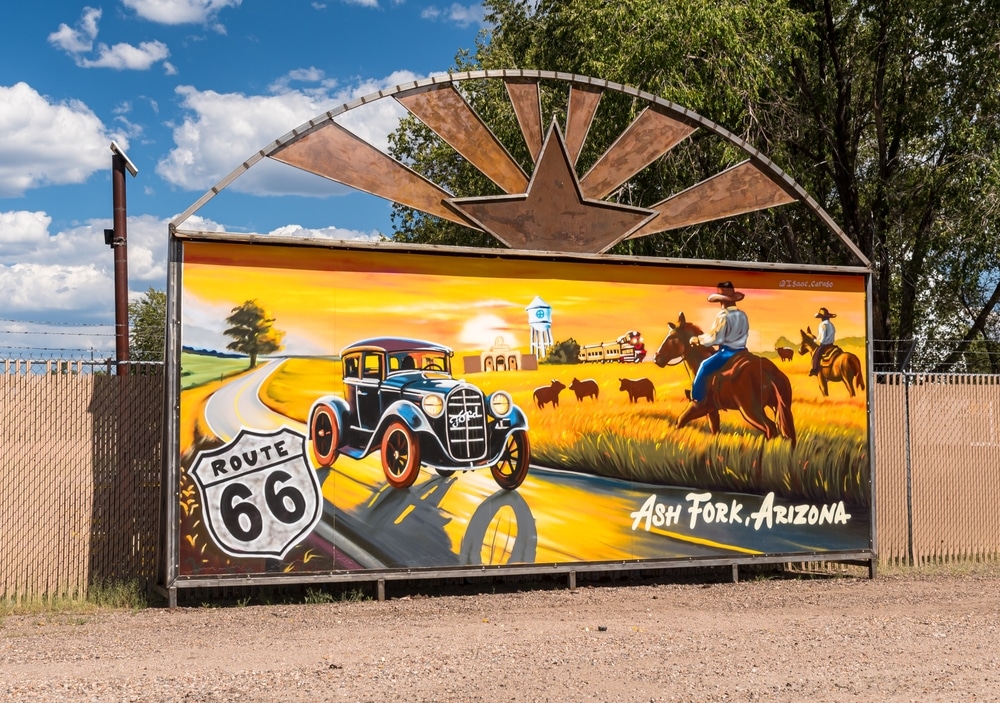
5) Route 66 Across Northern Arizona (Americana + wide skies)
If your ideal scenic drive includes neon signs, diners, and that classic-road-trip feeling, Arizona’s Route 66 delivers. It’s not only scenic—it’s nostalgic.
Use this as your backbone reference: Route 66
Why it’s special: historic roadside culture, open landscapes, quirky detours
Best for: families (lots of stop variety), couples (photo ops), anyone who loves Americana
How to make it feel fun (not repetitive)
- Plan frequent “micro-stops” (10–20 minutes) instead of one long haul
- Mix one history stop with one purely silly stop each day
- Time your drive so you’re not stuck arriving everywhere at lunch rush
Pro tip: Route 66 shines when you commit to the vibe—go slower, take the photos, stop at the places you’d normally skip.
6) Petrified Forest National Park Drive (painted desert vibes)
This is one of the most underrated scenic drives in the state because the landscape feels surreal—wide horizons, colorful badlands, and ancient petrified wood scattered like something out of a movie set.
Plan around Petrified Forest National Park for a drive that’s naturally broken into viewpoint stops.
Why it’s special: big desert horizons, unique geology, easy stop-and-look viewpoints
Best for: families, geology lovers, anyone craving “different Arizona”
Best way to experience it
- Treat the park road as a curated scenic route: viewpoint → short walk → viewpoint
- Plan a picnic. The open landscape makes meals feel like part of the adventure.
Pro tip: Wind is common here. Bring a light layer even if it’s warm elsewhere.
7) Saguaro National Park Scenic Loops (Tucson-area desert icons)
If you want the “Arizona cactus postcard” drive, you can’t beat the saguaro-studded roads around Tucson. This is a great option for families because you can get a full day’s worth of scenery without committing to a big hike.
Use Saguaro National Park as your anchor.
Why it’s special: iconic saguaros, desert mountain backdrops, sunrise/sunset glow
Best for: families, couples, winter trips, short scenic outings
Viewpoint plan
- Drive early or late for the best light and cooler temps
- Add one easy nature walk to make it feel like more than “just driving”
Pro tip: In warmer months, save your walking for early morning and make the rest a scenic drive with shaded breaks.
8) Prescott National Forest Drives (cooler air, pines, and viewpoint detours)
If you want a forested scenic drive that feels worlds away from the desert, plan a route that dips into Prescott National Forest. This is a strong pick when you want a more relaxed, nature-heavy day without the bigger crowds of the most famous hotspots.
Why it’s special: pine forests, fresher air, quieter pull-offs
Best for: couples who want a calmer day, families who like picnics and short walks
Stops to prioritize
- One scenic pull-off to stretch your legs
- A picnic spot with shade (this area is great for long lunches)
Pro tip: Forest roads can change quickly after storms. If you’re heading off main routes, keep a close eye on conditions and avoid pushing into rough roads in a standard car.
Scenic Drive Tips That Improve Every Route
Time your day for better light
Arizona looks best when the sun is lower:
- Sunrise: cooler temps, fewer crowds, soft light
- Golden hour: richer color, dramatic shadows
- After storms: the desert can look freshly washed and extra vivid
Make viewpoints feel intentional
A viewpoint stop is more enjoyable when you treat it like a mini experience:
- step away from the car
- drink water, eat a snack
- spend 5–10 minutes just looking (not only photographing)
Keep the drive comfortable for passengers
- Bring a playlist and a “snack schedule”
- If anyone gets carsick, plan frequent pull-offs and avoid heavy meals right before curvy stretches
- Rotate who navigates so the driver can focus on the road
The Best Scenic Drives by “Vibe”
- Most iconic red rocks: Sedona
- Best canyon-rim views: Grand Canyon National Park
- Best summer cool-down drive: Flagstaff area routes
- Best Americana road-trip feel: Route 66
- Best “different Arizona” landscapes: Petrified Forest National Park
- Best easy family scenic loop: Saguaro National Park
- Best quieter forest escape: Prescott National Forest
- Best big-view sandstone country base: Page
Arizona rewards drivers who slow down. Pick one great route, give yourself permission to stop often, and treat viewpoints like the main event—not something you squeeze in between miles.