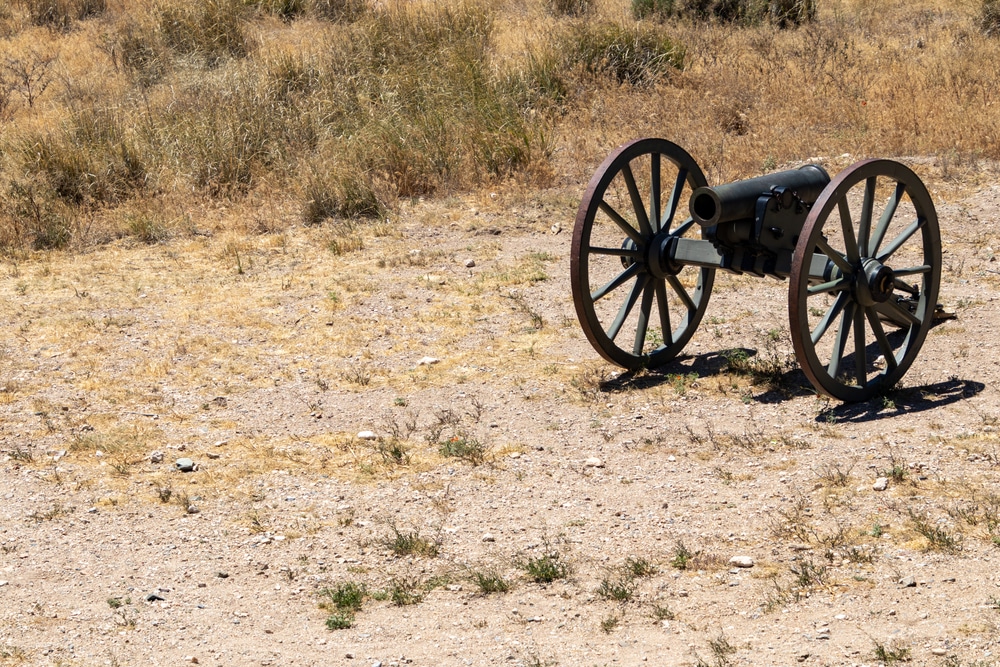
Nestled within the rugged landscape of southeastern Arizona, Fort Bowie National Historic Site stands as a poignant reminder of a pivotal chapter in American history. For nearly 25 years, this military outpost served as the epicenter of conflict between the U.S. Army’s westward expansion and the Chiricahua Apache’s determined defense of their ancestral homeland. Today, the site preserves not only the physical remains of the fort but also the complex narrative of cultural collision that forever altered the course of both American and Indigenous history.
Fort Bowie represents one of Arizona’s most historically significant yet least visited national historic sites, offering visitors a unique opportunity to experience history in an intimate setting far from the crowds of more popular destinations. The site’s remote location and access requirements create an immersive journey that connects visitors to the challenging conditions faced by both soldiers and Apache people during the late 19th century.
Established in 1862 and declared a National Historic Landmark in 1960, Fort Bowie provides a window into the Apache Wars, a series of conflicts that culminated in the surrender of the legendary Apache leader Geronimo in 1886. This guide aims to provide comprehensive information about Fort Bowie’s historical significance, recreational opportunities, and practical visitor information to enhance your experience at this remarkable historic site.

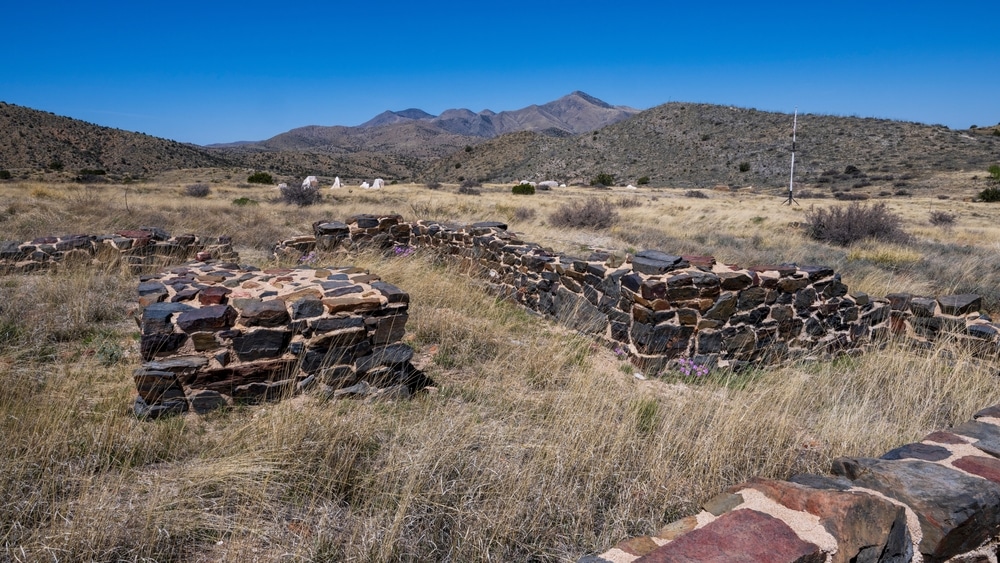
The ruins of Fort Bowie are the centerpiece of the site. Visitors can explore:
Walking through these ruins provides a glimpse into what life was like for soldiers stationed in this remote and rugged environment.
The Fort Bowie Visitor Center, located near the ruins, offers:

The Fort Bowie Historic Trail is the primary way to access the ruins of the fort and immerse yourself in the historical and natural beauty of the area. The 1.5-mile trail (3 miles round-trip) takes you through:
The trail is rated easy to moderate, but bring plenty of water, wear sturdy shoes, and enjoy the interpretive signs that provide insight into the area’s history.

Fort Bowie was established during the Apache Wars, a decades-long conflict between the U.S. government and the Chiricahua Apache tribe. Visitors can learn about key events, such as:
The interpretive signage and exhibits at the site provide a deeper understanding of these historical events.

The area around Fort Bowie offers peaceful spots for a picnic. After exploring the ruins and hiking the trail, relax in the shade of cottonwood trees or near the visitor center while enjoying your meal. Be sure to pack all trash out to preserve the natural beauty of the site.

Fort Bowie’s blend of history and natural beauty makes it a great spot for photography. Capture:
Sunrise and sunset are particularly magical times to photograph the site, with soft light enhancing the colors of the desert.

The natural environment around Fort Bowie is home to a variety of wildlife, making it a great destination for nature lovers. Keep an eye out for:
Bring binoculars for better wildlife viewing.
Fort Bowie National Historic Site was created as a hike-in park. From the town of Bowie on Interstate 10, follow the park signs south on Apache Pass Road for 13 miles to the Fort Bowie Trailhead; the last mile of the road is unpaved. From the trailhead, an easy to moderate trail of about 1.5 miles each way (three miles round trip) leads to the visitor center and the ruins of the fort. Along the way it passes the remains of a Butterfield Stage Station, the old post cemetery, an Apache wikiup, Apache Spring, and the sites of the Bascom Affair and the Battle of Apache Pass. The visitor center and museum stand near the ruins of the second fort, with exhibits on the post’s history. The grounds, the trails through the ruins and the restrooms are open every day from sunrise to sunset, and the park suggests allowing at least two hours for a visit. There is little shade at Fort Bowie or in Apache Pass, so carry water, sunscreen and a hat, and do not climb on the fragile walls and mounds. Leashed pets are welcome on the trails, and picnic facilities are located at both the trailhead and the visitor center. Visitors who cannot make the hike should check the park’s accessibility information before setting out.

| Category | Details |
|---|---|
| Location | Cochise County, southeastern Arizona, USA |
| Established | 1862 |
| Abandoned | 1894 |
| Managed by | National Park Service (NPS) |
| Designation | Fort Bowie National Historic Site (designated in 1964) |
| Area | Approximately 999 acres |
| Purpose | Originally established during the Apache Wars to protect settlers and secure Apache Pass, a key transportation route |
| Historical Significance | Site of the Battle of Apache Pass (1862) and a key location during conflicts between the U.S. Army and the Chiricahua Apache, including figures like Cochise and Geronimo |
| Nearest City | Bowie, Arizona |
| Features | Ruins of the fort, cemetery, Apache Spring, and interpretive trails |
| Activities | Hiking, historical tours, wildlife viewing, and photography |
| Access | Reached by a 3-mile round-trip hike; an alternative access via a narrow gravel road with limited parking exists |
| Wildlife | Mule deer, javelinas, coyotes, lizards, and bird species like hawks and hummingbirds |
| Vegetation | Mesquite trees, desert grasses, cacti, and wildflowers |
| Climate | Semi-arid with hot summers, mild winters, and seasonal monsoon rains |
| Visitor Center | Located at the fort, at the end of the 1.5-mile walk; offers exhibits about the site’s history |
| Significance | Preserves the legacy of the Apache Wars and the cultural interactions between Native Americans and settlers |
| Website | National Park Service – Fort Bowie |
We use cookies to improve your experience on our site. By using our site, you consent to cookies.
Manage your cookie preferences below:
Essential cookies enable basic functions and are necessary for the proper function of the website.
Statistics cookies collect information anonymously. This information helps us understand how visitors use our website.
Monetize your website by displaying targeted ads and earning revenue from clicks and impressions.
Google Analytics is a powerful tool that tracks and analyzes website traffic for informed marketing decisions.
Service URL: policies.google.com (opens in a new window)
You can find more information about our Cookie Policy and Privacy Policy.