
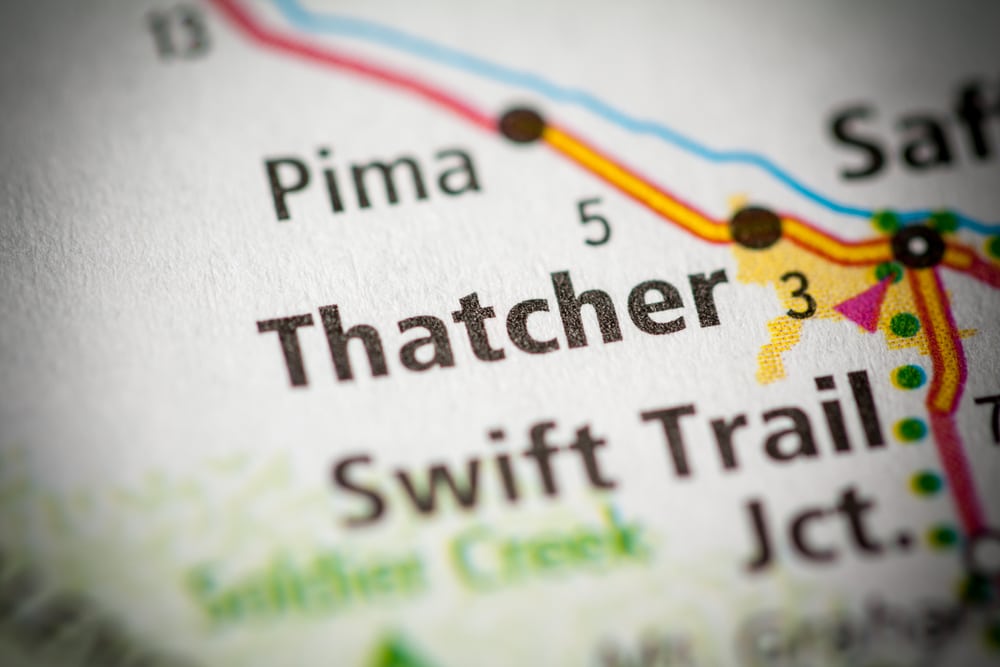
Nestled in the verdant Gila Valley of southeastern Arizona, Thatcher stands as a vibrant testament to pioneering spirit and educational heritage. Surrounded by the dramatic Pinaleno Mountains to the south and the Gila River’s fertile floodplain to the north, this community of approximately 5,200 residents occupies a privileged position in a desert landscape made fertile through human determination. The demographic makeup reflects the area’s rich cultural heritage—predominantly Anglo descendants of Mormon pioneers blended with Hispanic families with deep roots in the Southwest, and a smaller but significant Native American population, primarily Apache and Navajo. What distinguishes Thatcher from neighboring communities is its unique identity as an “education town,” home to Eastern Arizona College, the oldest continuously operating community college in Arizona and one of the oldest in the western United States. This educational foundation has infused the community with a distinctive blend of small-town warmth and academic aspiration, creating a place where multigenerational families work alongside newcomers drawn by educational and professional opportunities.

Today, Thatcher preserves its history through several initiatives. The Eastern Arizona Museum and Historical Society maintains extensive collections documenting pioneer life, while the college’s archival collection preserves photographs, diaries, and records of early settlement. The annual Pioneer Days celebration in July features historical reenactments, demonstrations of traditional skills, and storytelling sessions where elders share community memories with younger generations, ensuring that the lessons of perseverance and community cooperation that defined the settlement period continue to inform the town’s identity.
Long before European settlers arrived in the Gila Valley, the fertile lands along the river supported indigenous communities, particularly the ancestors of today’s Apache tribes. Archaeological evidence indicates human presence in the area dating back thousands of years, with sophisticated irrigation systems supporting agriculture in this desert environment. The Gila River served as a life-giving force in an otherwise harsh landscape, its seasonal floods depositing rich soil that sustained indigenous farming practices.
The modern history of Thatcher began in 1881 when Mormon pioneers, led by Christopher Layton, established settlements in the Gila Valley at the direction of church leadership seeking to expand their presence in the Arizona Territory. These families, many having already pioneered settlements in Utah, brought with them agricultural expertise and a communitarian ethic that would shape the development of the region. Thatcher itself was named for Apostle Moses Thatcher, a senior church leader who visited the early settlement.
A pivotal moment in the community’s development came in 1888 with the founding of the Latter-day Saints Academy, which would evolve into Eastern Arizona College. Established to provide education for the children of these isolated settlers, the institution represented the community’s commitment to education as a core value, a dedication that continues to this day.
The completion of the Southern Pacific Railroad through the valley in the 1890s connected the community to broader markets and brought new residents, while the development of mining operations in nearby communities created economic opportunities beyond agriculture. The devastating floods of 1905 and 1916 tested the community’s resilience but ultimately strengthened communal bonds through collective recovery efforts.
Notable historical figures include Spencer W. Kimball, who grew up in Thatcher and would later become president of the Church of Jesus Christ of Latter-day Saints, bringing international attention to his hometown.
| Category | Details |
|---|---|
| Location | Southeastern Arizona, Graham County, adjacent to Safford |
| Founded | 1881 by Mormon settlers |
| Incorporated | 1899 |
| Population | 5,231 (2020 Census) |
| Elevation | ~2,920 feet (890 meters) |
| Climate | Desert climate; hot summers, mild winters |
| Known For | Eastern Arizona College, Gila Valley agriculture, Mount Graham views |
| Major Attractions | Discovery Park (Eastern Arizona College), Mount Graham International Observatory, Thatcher Splash Pad, Thatcher Park |
| Key Industries | Education, agriculture (especially cotton and alfalfa), retail, small business |
| Educational Highlight | Eastern Arizona College (EAC) – the oldest community college in Arizona |
| Annual Events | Gila Valley 4th of July Celebration, college sports events, county fair |
| Transportation | U.S. Route 70 connects Thatcher with Safford, Globe, and Lordsburg, NM |
| Education | Thatcher Unified School District, Eastern Arizona College |
| Nearby Natural Sites | Mount Graham, Gila Box Riparian National Conservation Area, Roper Lake State Park |
| Community Features | Family-friendly neighborhoods, college-town atmosphere, small-town values |
| Cultural Ties | Strong Latter-day Saint (LDS) influence; shared economy and services with Safford |
The cultural landscape of Thatcher represents a fascinating convergence of influences that have both maintained their distinctiveness and blended to create unique local expressions. The Mormon heritage remains foundational, with the Church of Jesus Christ of Latter-day Saints playing a central role in community life. This influence is evident not just in religious practices but in community values emphasizing education, self-sufficiency, family ties, and service to others. The church’s organizational structure has historically provided frameworks for community cooperation, from the construction of irrigation systems to modern charitable initiatives.
Hispanic cultural traditions form another vital strand in Thatcher’s cultural fabric. Many Hispanic families trace their presence in the region to the Spanish colonial period or early Mexican settlement before the Gadsden Purchase brought the area into U.S. territory. These deep roots have contributed linguistic influences, culinary traditions, artistic expressions, and religious observances that enrich community life. The Catholic parish of St. Rose of Lima serves as an important cultural center for these traditions.
Native American influences, particularly Apache and Navajo, represent the third major cultural element. While historically marginalized, increasing recognition of indigenous contributions to regional culture has developed in recent decades. Partnerships between tribal communities, Eastern Arizona College, and local schools have created educational programs that preserve and transmit indigenous knowledge, particularly regarding sustainable desert agriculture, traditional crafts, and land stewardship.
Language reflects the community’s cultural evolution. While English predominates, Spanish remains vital in many families and community contexts. Local speech patterns include distinctive phrases from pioneer English, Spanish expressions, and some Native American terms, particularly for local plants, geographical features, and weather phenomena. This linguistic blending creates a regional dialect immediately recognizable to locals.
Over time, these distinct cultural traditions have both maintained their integrity and influenced each other. Holiday celebrations often incorporate elements from multiple traditions—Pioneer Day festivities might include traditional Mexican foods alongside pioneer demonstrations, while Christmas celebrations blend Anglo, Hispanic, and Native American elements. Intermarriage between cultural groups has created families that honor multiple heritage traditions, while community institutions increasingly recognize and celebrate the value of cultural diversity.
The artistic character of Thatcher reflects its natural setting, cultural diversity, and educational heritage, creating a distinctive creative landscape where traditional crafts and contemporary expressions coexist and cross-pollinate. The dramatic natural environment—where desert meets mountains, with extraordinary light qualities and expansive skies—has influenced visual artists for generations, while the community’s multicultural heritage provides rich material for creative exploration across artistic disciplines.
Visual arts in Thatcher often engage with the stunning geography that surrounds the community. Landscape painters capture the changing light on the Pinaleno Mountains, while photographers document both natural beauty and the human relationship with this challenging environment.
Eastern Arizona College’s fine arts programs have been central to the community’s artistic development. The college’s Art Gallery showcases student work alongside exhibitions by regional and national artists, while its music and theater departments present performances throughout the year.
Traditional crafts maintain a strong presence, with practitioners preserving techniques passed down through generations. Quilting circles continue the pioneering tradition of functional art, often incorporating contemporary designs while maintaining traditional techniques. Native American basket weaving, taught through community education programs, has experienced renewed interest, while traditional woodcarving, once essential for both practical items and home decoration, continues as an art form celebrating local juniper and mesquite woods.
Thatcher’s distinctive blend of educational aspirations and agricultural heritage is reflected in everyday conversations, where discussions of academic achievements and intellectual pursuits sit comfortably alongside talk of irrigation schedules and crop yields, creating a community that values both practical knowledge and formal education.
The physical layout of Thatcher tells the story of its development, with the historic town center featuring Mormon pioneer architectural influences—grid-pattern streets, homes with distinctive front porches designed for community interaction, and the prominent presence of church buildings. The Eastern Arizona College campus, with its blend of historic and contemporary buildings, serves as both literal and figurative center of the community. Residential areas reflect the town’s evolution, from historic homes near the town center to mid-century neighborhoods developed during periods of growth, to newer developments that have carefully preserved mountain views and open spaces.
When asked what distinguishes their community, residents often point to the “long view” that characterizes Thatcher’s approach to development and change. This perspective is attributed to the influence of both agricultural cycles, which require planning seasons ahead, and educational institutions, which measure progress in terms of generations rather than years.
This long-term orientation manifests in community decisions that prioritize sustainable growth, educational investment, and preservation of agricultural lands despite short-term economic pressures. The community has consistently supported bond measures for educational facilities while carefully managing development to maintain its small-town character amidst growth.
Residents describe their community as unpretentious, resilient, and quietly progressive—a place that values substance over show and embraces thoughtful innovation while honoring tradition. There’s a marked preference for practical solutions over ideological positions, with community discussions focused on specific outcomes rather than abstract principles. This pragmatic approach has enabled the community to navigate potentially divisive issues with a focus on common ground.
The value placed on education creates a community where lifelong learning is the norm rather than the exception. Evening classes at the college attract residents of all ages, while community lecture series and book groups maintain active participation. This intellectual engagement coexists with practical skills valued in agricultural communities—the ability to repair machinery, manage water resources, and adapt to changing conditions.
Despite changes brought by technology and increased connection to urban centers, residents maintain that Thatcher’s essential character—its commitment to education, strong sense of community responsibility, and connection to the land—remains intact.
Thatcher operates under a council-manager form of government, with a seven-member Town Council including the mayor, all elected to four-year terms. The Town Manager, appointed by the Council, oversees day-to-day municipal operations. This relatively simple governmental structure reflects the community’s preference for practical, accessible governance where decisions remain close to the people affected by them.
What distinguishes civic life in Thatcher is the high level of citizen involvement in governance and community development. Town Council meetings routinely draw significant attendance, with community members actively participating in discussions. This engagement stems partly from necessity—with limited resources, the formal government relies heavily on volunteer efforts to implement community improvements—and partly from a deeply rooted tradition of civic responsibility.
The relationship between the town government and Eastern Arizona College creates a distinctive dynamic, with institutional resources often supporting broader community initiatives. The college’s Community Education department serves as an incubator for civic leadership, offering workshops on grant writing, community organizing, and public service. Many local elected officials first developed leadership skills through college programs or community organizations.
The economy of Thatcher represents a carefully balanced blend of traditional and emerging sectors, reflecting both the community’s agricultural roots and its evolution as an educational center. This diverse economic base has provided relative stability even during regional downturns, though not without challenges.
Eastern Arizona College serves as the cornerstone of the local economy, providing stable employment across a range of professional, service, and administrative positions. Beyond direct employment, the institution generates significant economic activity through student spending, cultural events, and educational tourism. The college’s workforce development programs have been particularly important in preparing residents for emerging employment opportunities while supporting existing industries.
Agriculture remains a vital economic sector, with the fertile Gila Valley supporting diverse crops despite the challenges of desert farming. Traditional products include cotton, alfalfa, corn, and pecans, while newer specialty crops like pistachios and wine grapes have expanded agricultural diversity. Multi-generational family farms operate alongside agricultural research partnerships with the college, creating a dynamic where traditional knowledge and innovation complement each other.
The healthcare sector has grown significantly, with Mount Graham Regional Medical Center in neighboring Safford and associated clinics providing both essential services and professional employment opportunities. This growth reflects both the aging of the population and Thatcher’s development as a regional healthcare hub serving smaller surrounding communities.
Small businesses form the backbone of the local retail and service economy, with many establishments operating for decades under the same family ownership.
Distinctive local products include specialty foods like mesquite honey, prickly pear preserves, and artisanal pecans; fiber arts that blend traditional techniques with contemporary designs; and handcrafted furniture using native woods. Though small in scale, these enterprises connect the community to broader markets through regional craftspeople’s cooperatives and online sales.
Economic challenges include the ongoing transition in agriculture as water availability changes and market pressures increase; limited housing availability as the community grows; and the need to expand professional opportunities for young adults completing higher education. The “brain drain” of talented young people leaving for urban areas remains a concern, though programs designed to support young entrepreneurs have shown promise in reversing this trend.
Recent economic development initiatives focus on sustainable tourism, value-added agricultural products, and technology-based businesses that can operate in rural settings while serving broader markets.
The community’s approach to economic development emphasizes quality of life alongside traditional economic metrics—recognizing that Thatcher’s appeal includes factors like natural beauty, community connections, and educational opportunities that contribute to overall wellbeing. This holistic perspective informs planning decisions, with careful attention to maintaining the character that makes Thatcher distinctive even as the economy evolves.
Education stands at the heart of Thatcher’s identity, extending far beyond formal schooling to encompass community-based learning that preserves cultural knowledge and develops practical skills. This commitment to learning as a core community value traces back to the town’s founding and remains evident in contemporary institutions and practices.
Eastern Arizona College serves as both an educational institution and community anchor, with a campus physically and culturally central to town life. Founded in 1888 as the Latter-day Saints Academy, it evolved from a church-sponsored school to a public institution serving the broader region. Beyond traditional academic programs, the college preserves its community-centered mission through extensive continuing education offerings, cultural events open to all residents, and collaborative projects addressing community needs.
The Thatcher Unified School District maintains strong connections between K-12 education and community life, with school events drawing participation from across generations. The curriculum balances standard academic requirements with locally-relevant content, including agricultural science programs that connect students with regional farming practices and natural resource management.
For higher education beyond what Eastern Arizona College offers, residents typically transfer to universities in Tucson or Phoenix, often returning to apply their advanced education locally.
The relationship between Thatcher residents and their natural environment is one of profound connection shaped by both the challenges and beauty of this high desert landscape. Located in a valley between mountain ranges, with the Gila River providing vital water in an otherwise arid environment, the community has developed cultural practices that acknowledge both the harshness and abundance nature provides.
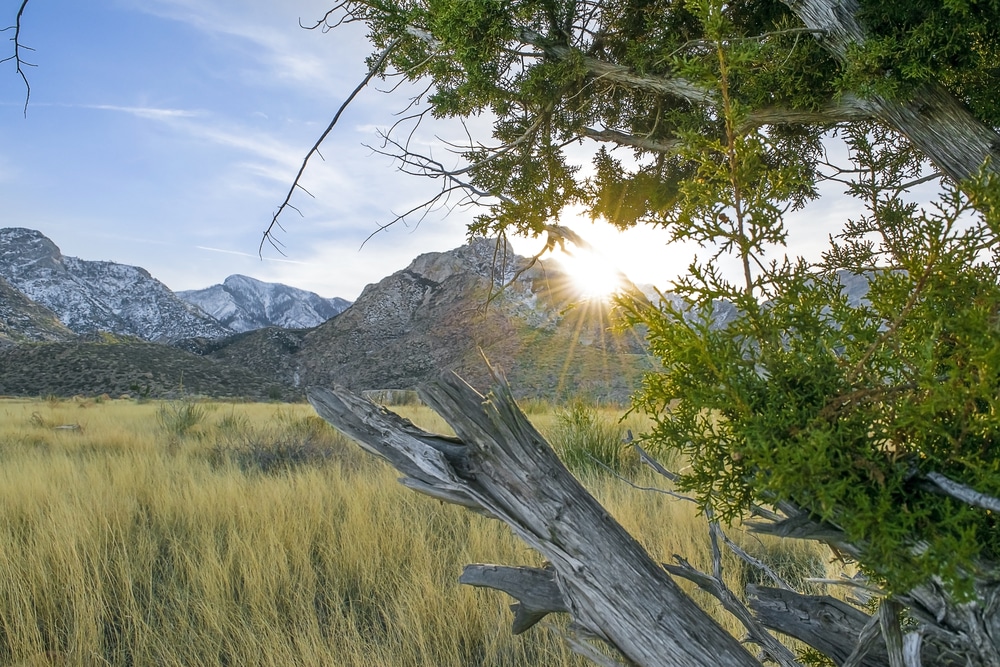
The dramatic landscapes surrounding Thatcher—from the towering Pinaleno Mountains to the south, rising over 10,000 feet, to the cottonwood-lined banks of the Gila River to the north—shape both daily activities and community identity. Residents speak of the landscape in deeply personal terms, with particular views and natural features serving as emotional anchors and geographic orientation points that connect current experiences to generational memory.
Water awareness pervades community consciousness, with conservation practices integrated into daily life long before they became widespread elsewhere. Traditional irrigation systems, many dating to the pioneer era and some incorporating techniques from indigenous and Hispanic predecessors, distribute precious water resources through a network managed by community irrigation districts. These systems represent not just practical infrastructure but living cultural heritage that embodies community cooperation around a vital resource.
Traditional knowledge of local plants for food, medicine, and practical use remains active within the community. Seasonal harvesting of wild foods continues as both cultural practice and dietary supplement—mesquite pods ground for flour, prickly pear fruits gathered for preserves, and wild greens harvested in spring all connect current residents to practices stretching back generations.
Outdoor recreational traditions with deep historical roots include community fishing days at local ponds, building on the importance of fish in the pioneer diet; family camping trips to the high mountains during summer heat, a practice dating to the earliest settlement; and horseback riding on trails used by generations of ranching families. These activities serve not just as recreation but as mechanisms for transmitting environmental knowledge and ethical relationships with the land.
Environmental conservation efforts include the Gila Watershed Partnership, which brings together diverse stakeholders to address water quality and riparian habitat preservation; and community-led initiatives to establish wildlife corridors connecting mountain habitats divided by development.
Educational programs at all levels emphasize environmental literacy specific to this unique location. School curricula include field studies of local ecosystems, while college courses in environmental science use the surrounding landscape as a living laboratory. Community workshops teach practical desert adaptation skills from rainwater harvesting to xeriscaping with native plants, ensuring that traditional environmental knowledge continues to evolve to meet contemporary challenges.
The food traditions of Thatcher tell the story of cultural interchange and environmental adaptation that defines the community. Three distinct culinary traditions—Mormon pioneer, Hispanic, and Native American—have both maintained their distinctiveness and cross-pollinated to create unique local expressions that reflect the community’s history and natural environment.
Mormon pioneer culinary traditions emphasize preservation techniques that allowed settler families to maintain food security through periods of scarcity. Home canning of fruits and vegetables, production of preserves, and food storage practices remain important components of local food culture. Community cookbooks compiled by church relief societies preserve recipes for distinctive dishes like funeral potatoes (a potato casserole traditionally served at gatherings following funerals), pioneer bread (a hearty wheat bread made with basic ingredients), and harvest stews that sustained working families through generations.
Hispanic culinary influences are evident in dishes that have become regional staples across cultural boundaries. Carne seca (air-dried beef prepared with chilies), tortillas made from locally grown wheat, and distinctive preparations of beans and squash reflect the Spanish and Mexican heritage that predated Anglo settlement. These traditions are maintained through family recipes passed down through generations.
Native American influences are apparent in the use of indigenous ingredients like tepary beans, cholla buds, and mesquite flour, which have experienced renewed interest as part of a broader appreciation for locally-adapted foods. Cultural exchange programs with nearby Apache communities have increased awareness of traditional food preparation techniques and their nutritional benefits, inspiring contemporary adaptations that honor these traditions while meeting modern tastes.
Signature local foods include Gila Valley pecans, produced from orchards established in the early 20th century and now incorporated into distinctive regional dishes; heritage wheat varieties preserved by local farmers and used for artisanal breads and pastries; and desert honey with distinctive flavors derived from mesquite blossoms and desert wildflowers.
In Thatcher, physical spaces where community members come together hold profound significance, serving not just practical functions but embodying community values and collective memory. These gathering places, both formal and informal, historic and contemporary, create the settings where community bonds are formed and maintained across generations.
Eastern Arizona College’s campus serves as both an educational institution and community gathering space, with its facilities hosting events beyond academic functions. The Fine Arts Auditorium provides space for performances ranging from student recitals to community theater productions, while the college grounds host outdoor concerts, cultural festivals, and recreational activities open to all residents. This integration of campus and community creates natural opportunities for interaction across age groups and backgrounds.
Religious buildings serve as important gathering spaces beyond their spiritual functions. The historic LDS Tabernacle, with its distinctive pioneer architecture, hosts community concerts, lectures, and educational events in addition to religious services. Other faith communities similarly share their facilities for broader community purposes, creating spaces where residents with diverse beliefs come together around shared values and concerns.
Public outdoor spaces include Thatcher Park, whose playgrounds, sports facilities, and picnic areas draw families throughout the year; the Gila River Trail System, which provides both recreational opportunities and a natural setting for community nature walks and educational programs; and the Community Garden, where residents of all ages tend plots side-by-side, sharing knowledge and produce across generational and cultural lines.
What distinguishes Thatcher’s community spaces is the depth of shared experience they contain—layers of memory embedded in physical places where multiple generations have experienced life’s milestones, from childhood play to graduation ceremonies to wedding receptions to funeral services. These spaces function as physical embodiments of community continuity, tangible reminders that individual lives are part of a larger, ongoing community story.
The COVID-19 pandemic highlighted the essential nature of these gathering places when physical distancing requirements temporarily curtailed their use. The community responded with creative adaptations—outdoor events with spread-out seating, drive-through celebrations, and hybrid gatherings that connected physically distanced participants—demonstrating the flexibility and resilience of community traditions while reaffirming the vital importance of shared space in maintaining social bonds.
Thatcher has faced formidable challenges throughout its history, from natural disasters to economic transitions, each testing and ultimately strengthening the community’s resilience. This capacity to weather difficulties while maintaining community cohesion represents perhaps the most defining aspect of local identity.
Historical challenges include devastating floods along the Gila River in 1891, 1905, and 1916 that destroyed homes, businesses, and agricultural lands. In each case, community response was immediate and comprehensive, with families housing displaced neighbors and rebuilding efforts organized through church and community networks. These experiences led to the development of flood control infrastructure and emergency response systems that continue to protect the community.
Extended drought periods have repeatedly tested agricultural viability, most severely during the 1930s Dust Bowl era and again during the current extended aridification affecting the Southwest. The community has responded by developing sophisticated water conservation techniques, adapting crop selections, and creating seed banks of drought-resistant heritage varieties.
Economic challenges have included the decline of extractive industries in surrounding communities, limited professional employment opportunities, and the transition pressures facing family farms in an era of agricultural consolidation. The community has responded by developing a diversified economic approach that combines traditional agricultural enterprises with educational services, healthcare, small-scale manufacturing, and remote work opportunities made possible by improved digital connectivity.
Perhaps the most poignant challenge has been population shifts as young people leave for educational and professional opportunities elsewhere. The community has addressed this through programs specifically designed to maintain connections with young adults during their time away, creating pathways for eventual return. The college’s expanded programs create local opportunities for advanced education without leaving the community.
The 2017 Frye Fire, which burned across the Pinaleño Mountains above the valley, and the COVID-19 pandemic both tested the community’s capacity to respond together.
What distinguishes Thatcher’s approach to challenges is the refusal to frame difficulties as merely individual problems, instead approaching them as community responsibilities that require collective response. This perspective transforms potential sources of division into opportunities to strengthen community bonds through shared purpose.
This resilience ethic is actively cultivated in younger generations through both formal and informal means—school curricula that teach local history through the lens of community responses to challenges; intergenerational mentoring relationships that transmit both practical skills and cultural perspectives; and community service requirements that engage young people in addressing current needs.
The community’s approach to contemporary challenges like climate change, economic pressures, and cultural shifts demonstrates this same resilient spirit—acknowledging difficulties honestly while mobilizing collective resources to address them with both pragmatism and optimism. This balance between realism about challenges and confidence in community capacity has sustained Thatcher through nearly a century and a half of continuous adaptation to changing circumstances.
We use cookies to improve your experience on our site. By using our site, you consent to cookies.
Manage your cookie preferences below:
Essential cookies enable basic functions and are necessary for the proper function of the website.
Statistics cookies collect information anonymously. This information helps us understand how visitors use our website.
Monetize your website by displaying targeted ads and earning revenue from clicks and impressions.
Google Analytics is a powerful tool that tracks and analyzes website traffic for informed marketing decisions.
Service URL: policies.google.com (opens in a new window)
You can find more information about our Cookie Policy and Privacy Policy.